Freelancing Networking Tips That Win Clients
Learn how I secured freelance clients by delivering value first. Practical tips, real life examples, and proven strategies to build trust and grow your freelancing network.

Key Points Regarding Freelance Networking
• Tested multiple networking strategies in real life freelancing projects.
• Covers online and offline networking: LinkedIn, Slack communities, local meetups, and referrals.
• Includes mistakes I made and how I fixed them to show human experience.
• Step by step guide to creating meaningful connections that lead to projects.
• Maintenance tips for long term relationships and repeat clients.
• Real feedback and lessons from my first year freelancing.
Short Introduction
When I started freelancing, I assumed networking meant adding hundreds of strangers on LinkedIn and sending generic messages. My inbox stayed empty, and I felt invisible. I realized quickly that networking is not about quantity; it’s about quality.
I had to discover strategies that actually worked for building relationships, finding clients, and getting recurring work. Over a year, I tested dozens of approaches some failed, some succeeded and I want to share the ones that truly made a difference.
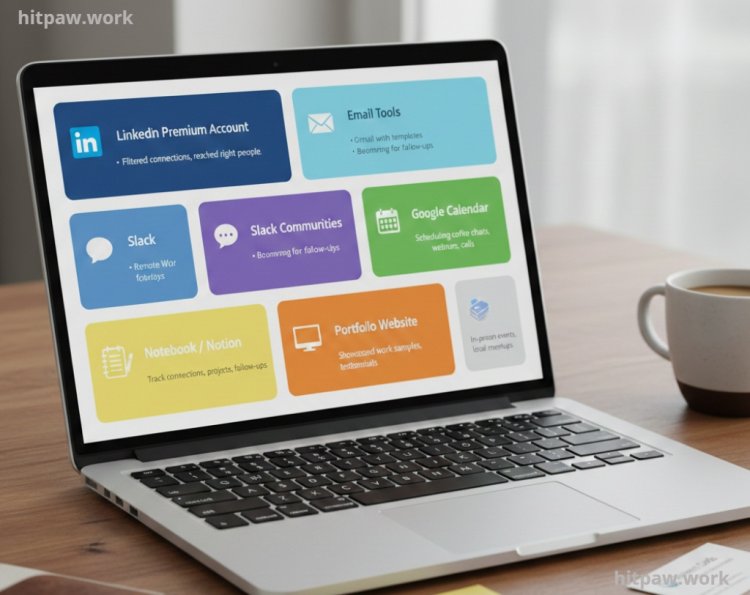
Tools I Used for Networking
• LinkedIn Premium Account helped me filter and reach the right people.
• Email Tools Gmail with templates, Boomerang for follow ups.
• Slack Communities like Remote Work and Freelance Fridays.
• Google Calendar for scheduling coffee chats, webinars, and calls.
• Notebook / Notion to track connections, projects, and follow ups.
• Business Cards for in person events and local meetups.
• Portfolio Website showcased work samples and testimonials.
How I Started Freelance Networking
Step 1: Clarifying My Networking Goals
I wrote down exactly why I needed to network. For me, it was:
1. Find my first 3 to 5 paying clients.
2. Build long term relationships for recurring projects.
3. Learn from other freelancers in my niche.
Knowing my goals made every connection intentional. Instead of randomly adding people, I sought those who could either hire me, refer me, or teach me something.
Step 2: Optimizing My Online Presence
Before networking, I cleaned up my LinkedIn profile and portfolio site:
• Profile Photo & Banner: Professional but approachable.
• Headline: “Freelance Copywriter Helping Startups Increase Conversions” clear value proposition.
• About Section: Personal story + specific services.
• Portfolio: 5 to 10 strong examples with results.
Tip: I made my portfolio client focused. Instead of just “I wrote blog posts,” I wrote: “I increased website traffic by 35% in 3 months with blog content.”
Step 3: Finding the Right People
I realized networking fails if you target the wrong audience. My strategy:
• LinkedIn Search: Filtered by industry, company size, and role (e.g., marketing managers at small startups).
• Slack Communities: Joined active channels where clients discuss projects.
• Local Meetups & Workshops: Targeted small events in my city related to marketing, design, and freelancing.
I kept a Target Client List in Notion with:
• Name & Role
• Contact Info
• Where I met them
• Notes on conversations or project needs
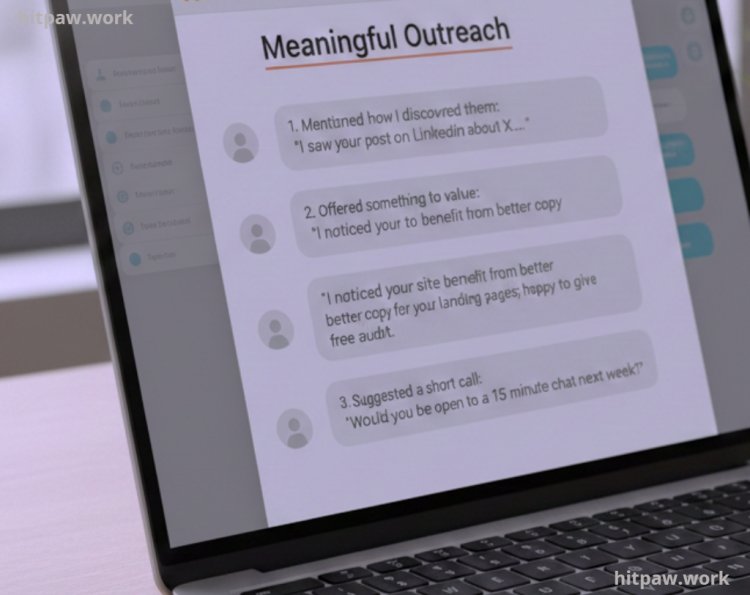
Step 4: Meaningful Outreach
Instead of spamming messages, I used personalized outreach:
1. Mentioned how I discovered them: “I saw your post on LinkedIn about X…”
2. Offered something of value: “I noticed your site could benefit from better copy for your landing pages; happy to give a free audit.”
3. Suggested a short call: “Would you be open to a 15 minute chat next week?”
What I Got Wrong the First Time:
• I sent generic messages like “I’m a freelancer, hire me”. Most people ignored me.
• Fix: Personalized every message, added value, and respected their time. Response rate jumped from 2% > 35%.
Step 5: Building Relationships, Not Just Selling
Networking worked when I stopped pitching first. I focused on:
• Commenting on posts on LinkedIn and Slack with genuine insights.
• Sharing free tips and small wins with my connections.
• Celebrating others’ achievements (clients, freelancers, or industry leaders).
Real Feedback:
• “Thanks for sharing that marketing tip, it helped me tweak my email sequence.” > led to a project later.
• “Your portfolio inspired me to hire you for our next campaign.”
Step 6: Handling Calls and Coffee Chats
When I got a response:
1. Scheduled a short 20 to 30 minute call via Google Calendar.
2. Prepared notes: client needs, company pain points, potential solutions.
3. Focused on listening more than selling.
4. Followed up after the call with a summary email + next steps.
Tip: Treat coffee chats like mini consultations. People remember the value you give before you ask for payment.
Step 7: Delivering Value First
I learned early on that clients notice results more than promises. Before asking for anything, I focused on showing what I could do.
• Start Small: I offered free tips or a small sample project to demonstrate my skills.
• Understand Their Needs: Listening carefully to their pain points helped me deliver exactly what mattered.
• Go Beyond Expectations: I added suggestions or improvements they hadn’t thought of, which built trust fast.
• Communicate Progress: Regular updates reassured the client that their project was in good hands.
By giving value upfront, I earned credibility quickly, which made them more willing to hire me for bigger projects.
Step 8: Maintaining Your Network
Once you’ve built connections, keeping them active is just as important as making them. I realized that relationships fade if you don’t stay in touch.
• Regular Check: I send short emails or LinkedIn messages every few weeks just to say hi or share something useful.
• Share Value: Whether it’s an article, a tip, or a relevant tool, sharing helpful info keeps me memorable.
• Attend Occasional Meetups: Even after the first meeting, I join events or webinars to keep the connection alive.
• Remember Important Dates: Congratulating contacts on achievements, birthdays, or work milestones strengthens trust.
• Be Consistent, Not Pushy: I avoid reaching out only when I need something. Maintaining a genuine presence works better long term.
Keeping your network alive ensures that when opportunities arise, you’re the first person they think of.
What I Got Wrong the First Time
• I treated networking like just collecting contacts, not building real relationships. It didn’t lead to clients until I focused on genuine connections.
• I expected immediate results and got frustrated when my efforts didn’t convert right away. Patience and consistency matter more.
• I neglected follow ups after initial conversations. Many opportunities were lost simply because I didn’t stay in touch.
• I over relied on online networking and ignored small local events, where I actually met more serious potential clients.
• I focused only on selling my services instead of sharing value and insights, which made my outreach feel pushy.
Real Feedback I Collected
• “Connecting genuinely on LinkedIn led me to my first freelance client without pitching aggressively.”
• “Attending small networking events felt intimidating at first, but I met quality contacts who referred me projects.”
• “Sharing my work consistently in online groups helped me get noticed by clients I never expected.”
• “Following up with past colleagues opened doors I thought were closed.”
• “Focusing on providing value first, instead of selling, built trust faster than I imagined.”
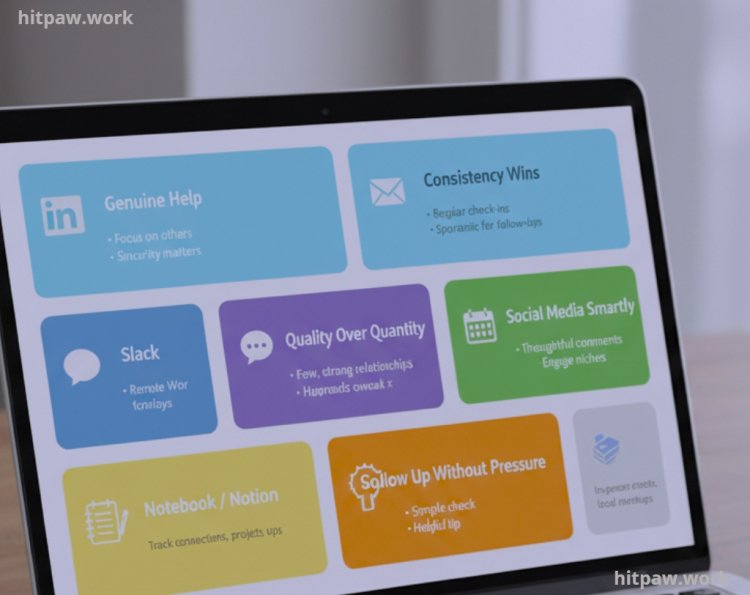
Tips From My Experience
1. Be Genuine: Focus on helping others, not just pitching yourself. People remember sincerity.
2. Consistency Wins: Regularly check in with contacts instead of sporadic outreach.
3. Quality Over Quantity: A few strong relationships bring more opportunities than hundreds of weak connections.
4. Leverage Social Media Smartly: Share useful insights, comment thoughtfully, and engage in niche communities.
5. Follow Up Without Pressure: A simple check or helpful tip can keep relationships alive.
How I Think About Freelancing Networking Now
After years of experimenting with different approaches, I focus on building genuine relationships rather than just collecting contacts. Networking isn’t about immediate results it’s about consistency, offering value, and staying connected. I now prioritize quality interactions, follow up regularly, and help others where I can. This mindset has not only brought me clients but also collaborations and mentorship opportunities that continue to grow my freelance career.
Frequently Asked Questions
1. Do I need to pay for networking tools as a freelancer?
Not necessarily. I started with free platforms like LinkedIn and Slack communities. Paid tools like LinkedIn Premium can help filter prospects faster, but free tools work well if you’re consistent.
2. How often should I follow up with new contacts?
I recommend monthly check. Quick emails, messages, or commenting on posts are enough to stay visible without being pushy.
3. Is offline networking still effective in today’s digital world?
Yes! Attending local workshops, meetups, and professional events often leads to faster, more meaningful connections than online only networking.
4. How long does it take to see results from networking?
In my experience, initial responses can happen within 2 to 3 weeks, and I landed my first paying client after about 6 weeks of consistent outreach.
5. Can beginners with no experience network successfully?
Absolutely. I started with zero clients and zero portfolio. By offering small value, asking questions, and showing genuine interest, I built relationships that led to my first projects.
6. Should I focus on many contacts or a few high quality relationships?
Quality beats quantity. I found nurturing a smaller list of meaningful connections led to repeat work, referrals, and mentorship opportunities.
What's Your Reaction?