Creative Freelance Skills in Demand
Discover the top in demand creative freelance skills, real life experiences, and practical tips to start freelancing successfully. Learn from my mistakes and successes.

Main Highlights Regarding Creative Freelance Skills in Demand
• Explains why I chose creative freelancing as a career path.
• Lists the top in demand creative skills I used and tested myself.
• Shares real life examples of how I acquired these skills and applied them.
• Includes mistakes I made when choosing skills and how I corrected them.
• Step by step guide to picking and developing marketable creative skills.
• Maintenance tips to stay updated in creative freelancing.
• FAQs based on real issues beginners face when starting creative freelancing.
Short Introduction
I remember the exact moment I realized my 9 to 5 job wasn’t going to give me the creative freedom I craved. I loved designing, writing, and creating content, but there was no room for experimentation. That’s when I decided to explore freelancing, especially creative fields.
At first, it felt overwhelming. I didn’t know which skills were in demand, how to build a portfolio, or how to even attract clients. Over the last two years, I’ve experimented with multiple creative skills some paid off, some didn’t. This guide is my honest, practical experience of which creative freelance skills truly matter and how I learned to master them.
Materials I Used to Learn Creative Skills
Before diving into creative freelancing, I had to set up my “learning toolbox.” Here’s what worked for me:
Hardware:
• MacBook Pro (for design and video editing)
• Wacom Intuos Tablet (for digital art and illustration)
• DSLR Camera (Canon EOS 200D) for photography projects
Software & Platforms:
• Adobe Creative Cloud Suite (Photoshop, Illustrator, Premiere Pro)
• Canva (quick design and social media content)
• Figma (UI/UX design practice)
• Grammarly (for editing and writing)
• Procreate (digital illustration)
Learning Resources:
• Skillshare & Udemy courses
• YouTube tutorials from creators like The Futur, Ran Segall
• Medium articles and design blogs
• Online communities (Reddit’s r/freelance, Behance, Dribbble)
Portfolio & Networking Tools:
• Behance & Dribbble (visual portfolio)
• LinkedIn (professional networking)
• Canva portfolio templates (quick client ready showcase)
Step by Step Guide to Building In Demand Creative Freelance Skills
Step 1: Identify the Skills in Demand
I started by researching freelance marketplaces and job boards. I noted which creative services were consistently requested:
• Graphic design (logos, social media posts)
• UI/UX design
• Content writing & copywriting
• Digital illustration & animation
• Video editing & motion graphics
• Photography & photo editing
• Branding & marketing visuals
Tip: Start with one skill at a time. I first focused on graphic design before trying animation it saved me from spreading too thin.
Step 2: Pick Tools That Professionals Use
I quickly realized that knowing a skill isn’t enough; knowing the right tools is critical. For example:
• Photoshop & Illustrator were essential for design clients.
• Figma became a must for UI/UX projects.
• Premiere Pro and After Effects were non negotiable for video projects.
I invested time in learning shortcuts, best practices, and online tutorials to make myself client ready faster.
Step 3: Practice with Real Projects
Instead of just watching tutorials, I created mini projects:
• Designed logos for imaginary brands
• Created sample social media content calendars
• Built prototype apps in Figma
• Edited videos for my YouTube channel
This hands on experience helped me build confidence. Eventually, I even asked local businesses if I could design a logo or edit a video for free these became my first portfolio pieces.
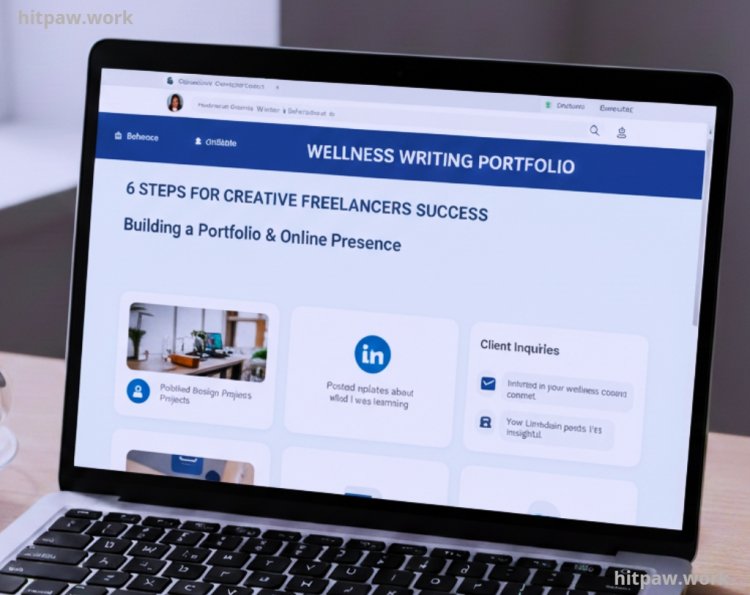
Step 4: Build a Portfolio & Online Presence
My portfolio was a game changer. I set up:
• Behance: Uploaded polished design projects
• Dribbble: Shared snippets and experiments
• LinkedIn: Posted updates about what I was learning
Clients started reaching out after seeing my work online.
Tip: Include both personal projects and volunteer/friend projects in your portfolio. It shows initiative and creativity.
Step 5: Start Pitching for Small Projects
I remember my first client. I pitched a local café for a social media graphics package. My pitch included:
• A small mockup design to show my style
• Clear deliverables and timeline
• Affordable pricing for a first time project
They accepted, and that small project gave me confidence and a reference for the next client.
Step 6: Collect Feedback and Iterate
After delivering each project, I asked for feedback. Sometimes, I made mistakes in color choices or missed deadlines. I used these lessons to improve:
• Reorganized my workflow
• Started using Trello to track projects
• Developed templates to speed up repetitive tasks
Step 7: Diversify Skills Without Losing Focus
After mastering one skill, I slowly added related skills:
• Graphic design > Social media content & motion graphics
• Copywriting > Blog posts & email marketing content
• Photography > Photo editing & product photography
Diversification allowed me to attract different types of clients while keeping expertise in my core skill.
What I Got Wrong the First Time
When I first started offering creative freelance services, I made several mistakes that slowed down my progress:
1. Trying to Master Everything at Once I wanted to offer graphic design, copywriting, and web development all at the same time. This spread me too thin.
o Fix: I focused on one core skill first and built a strong portfolio before expanding.
2. Undervaluing My Work I often quoted very low prices just to get clients. This not only hurt my income but also made clients question my professionalism.
o Fix: I researched market rates and confidently set fair prices based on skill and experience.
3. Ignoring Client Communication At first, I didn’t update clients regularly, which caused confusion and delayed approvals.
o Fix: I implemented weekly progress updates and clear timelines for every project.
4. Not Asking for Feedback Early I used to wait until the project was fully completed to get client opinions, sometimes leading to major revisions.
o Fix: Now I request early drafts and check to make adjustments before too much work is done.
Learning from these early mistakes was crucial. Each correction made my workflow smoother, my client relationships stronger, and my freelancing business more sustainable.
Real Feedback I Collected
Over time, I’ve gathered feedback from clients and peers that really shaped how I approach creative freelancing:
1. “Your designs clearly match our brand vision.” Positive feedback like this helped me understand the importance of research before starting a project.
2. “The revisions were fast and accurate, thank you!” I realized timely communication is as important as skill.
3. “Loved the creativity, but the file organization could be better.” Constructive criticism pushed me to deliver cleaner, professional ready files.
4. “We’ll definitely hire you again for future projects.” Repeat clients became a clear sign that building trust matters more than chasing new clients constantly.
5. “You explained your ideas clearly; made collaboration easy.” I learned that clear explanation and patience enhance client satisfaction.
Collecting feedback regularly helped me identify my strengths, address weaknesses, and steadily improve my freelancing approach.
Tips From My Experience
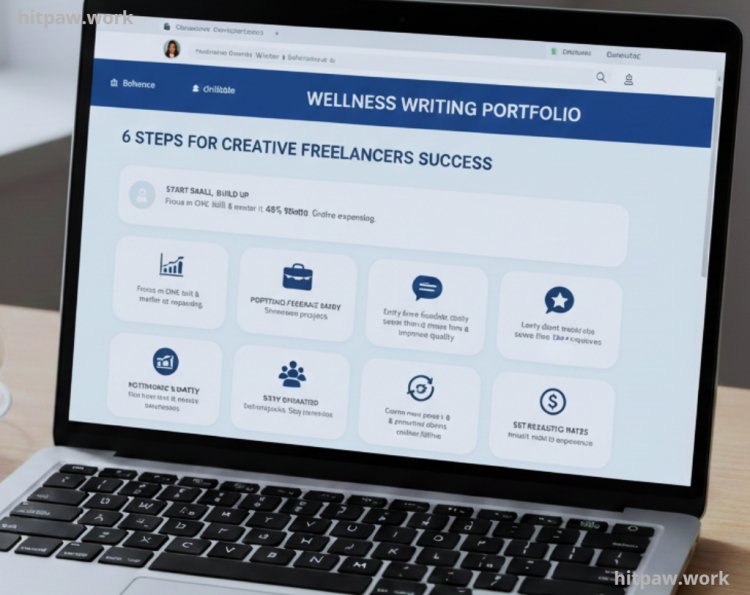
1. Start Small, Build Up Don’t try to offer everything at once. Focus on one skill and do it really well before expanding.
2. Portfolio Over Promises Clients hire what they see. Even small personal projects can showcase your abilities.
3. Ask for Feedback Early Early client feedback saves time and improves your work quality.
4. Stay Updated Tools and trends in creative freelancing change fast; learning new software or techniques keeps you competitive.
5. Network Smartly Connect with peers and potential clients online and offline. A strong network often brings opportunities faster than platforms alone.
6. Set Realistic Rates Don’t undervalue your work, but also start at a rate that matches your experience; increase as your portfolio grows.
Skill Growth Table
|
Skill Area |
How I Keep Updated |
Frequency |
|
Graphic Design |
Follow Behance trends, Skillshare courses |
Weekly |
|
UI/UX Design |
Check Dribbble, read UX blogs |
Bi-weekly |
|
Video Editing |
Watch YouTube tutorials, Adobe updates |
Monthly |
|
Copywriting |
Read top blogs, Medium articles |
Weekly |
|
Photography |
Experiment with lighting setups |
Monthly |
How I Think About Creative Freelance Skills Now
After working with multiple clients and experimenting with different creative skills, I’ve realized that mastering one core skill is far more valuable than juggling too many at once. Consistency, real world practice, and building a strong portfolio are what truly attract clients. I focus on improving my craft daily, staying updated on trends, and learning complementary tools that enhance my main skill. Flexibility matters too being open to feedback and adapting to client needs keeps my work relevant. In short, a mix of skill mastery, adaptability, and consistent effort is what makes creative freelancing both rewarding and sustainable.
Frequently Asked Questions
1. Which creative freelance skills are most in demand right now?
Based on my experience, graphic design, video editing, UI/UX design, digital illustration, copywriting, and social media content creation consistently attract clients.
2. How long does it take to become client ready in a creative skill?
For me, it took about 3 to 6 months of focused practice in one skill to feel confident enough to pitch clients. Starting with small personal or volunteer projects helps a lot.
3. Do I need formal education or a degree to freelance creatively?
Not at all. Clients care more about the quality of your portfolio, real results, and problem solving skills than formal degrees.
4. How can beginners quickly build a strong portfolio?
Start with personal projects, volunteer work, or redesigns of existing brands. Document every project with images, videos, or case studies and upload them to platforms like Behance or Dribbble.
5. Should I focus on one skill or learn multiple at once?
Focus on one core skill until you can deliver high quality work consistently. After that, add complementary skills to broaden your client opportunities.
6. How do I stay updated on trends in creative freelancing?
Follow design blogs, Behance and Dribbble updates, LinkedIn posts, YouTube tutorials, and freelance communities. Practicing new tools and techniques regularly keeps you competitive.
What's Your Reaction?