What Is Digital Marketing and How It Works
Learn digital marketing from my hands=on experience. Discover step by step strategies, mistakes I made, tools I used, and how it works in real life.

Main Highlights Regarding Digital Marketing
• Digital marketing is essential for building a brand online and reaching a global audience.
• Understanding the tools, channels, and strategies is crucial for success.
• Real life experience helps illustrate what works and what doesn’t.
• Mistakes and learning curves are part of the process.
Short Introduction
When I first heard about digital marketing, I thought it was just posting ads on Facebook or Instagram. Honestly, I had no idea how complex it was or how it could actually drive revenue for a business.
I remember trying my first campaign with a small budget of $50 for my own side project. I expected instant results, but I got almost no engagement. It was frustrating and confusing. That experience forced me to dig deep into digital marketing, understand how it really works, and learn practical strategies that actually deliver results.
This blog shares my personal journey with digital marketing, tools I used, what I got wrong the first time, and step by step guidance to help anyone understand it in a practical, hands on way.
Materials I Used
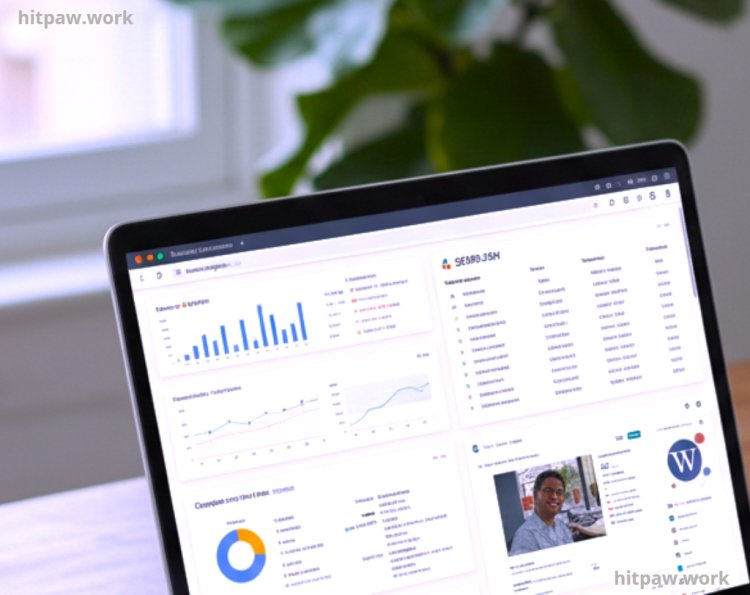
Here are the tools and platforms I relied on to understand and implement digital marketing effectively:
• Google Analytics: For tracking website traffic and user behavior.
• Google Ads: For creating paid campaigns and testing keywords.
• Facebook Ads Manager: For social media campaigns targeting specific audiences.
• Mailchimp: For building email marketing campaigns.
• Canva: For designing visuals and social media graphics.
• SEMRush: For SEO research and competitor analysis.
• WordPress: For running my website and blog.
These tools formed the backbone of my learning and real campaigns. Without them, I would have been blindly guessing what worked and what didn’t.
Step by Step Guide to Understanding How Digital Marketing Works
Step 1: Understanding the Core Concept
Digital marketing is all about promoting products or services using online channels. Unlike traditional marketing, it allows for precise targeting, tracking, and adjustment of strategies in real time.
I learned that digital marketing has multiple layers:
• SEO (Search Engine Optimization): Helps your website appear in search results. I used SEMRush and Ahrefs to find keywords for my blog.
• Content Marketing: Writing blogs, guides, and articles to attract and educate potential clients.
• Social Media Marketing: Posting on platforms like Instagram, Facebook, and LinkedIn to engage audiences.
• Email Marketing: Sending targeted messages to a subscriber list. Mailchimp was my go to tool.
• Paid Advertising (PPC): Using Google Ads or Facebook Ads to reach potential clients faster.
At first, I tried doing everything at once, which was overwhelming. My advice: start with one channel and master it before expanding.
Step 2: Learning About Your Audience
When I first jumped into digital marketing, I assumed I knew who my audience was but I quickly realized I was guessing, and that led to wasted effort. I had to study my audience carefully. I started by creating audience personas, noting their age, profession, interests, and pain points. For example, I realized many of my readers were small business owners struggling to manage social media on their own.
Next, I used tools like Google Analytics, social media insights, and surveys to see what content they engaged with most. I also joined relevant forums and groups to listen to real conversations. This helped me tailor my content to their needs, answering questions they were actively searching for.
Step 3: Crafting a Content Plan
When I started in digital marketing, I quickly realized that posting randomly doesn’t work. I had to create a structured content plan to stay consistent and deliver value. I began by listing topics my audience cared about, like “how to guides,” product tips, and industry news. Then I mapped these topics into a weekly schedule, deciding which type of content blog post, video, or social media post went on which day.
I also planned for different formats, using short videos for engagement, longer blogs for SEO, and infographics for shares. The key lesson was that a good content plan reduces stress and ensures that every piece of content serves a purpose, whether it’s building trust, generating leads, or educating your audience.
Step 4: Optimizing Your Website & SEO
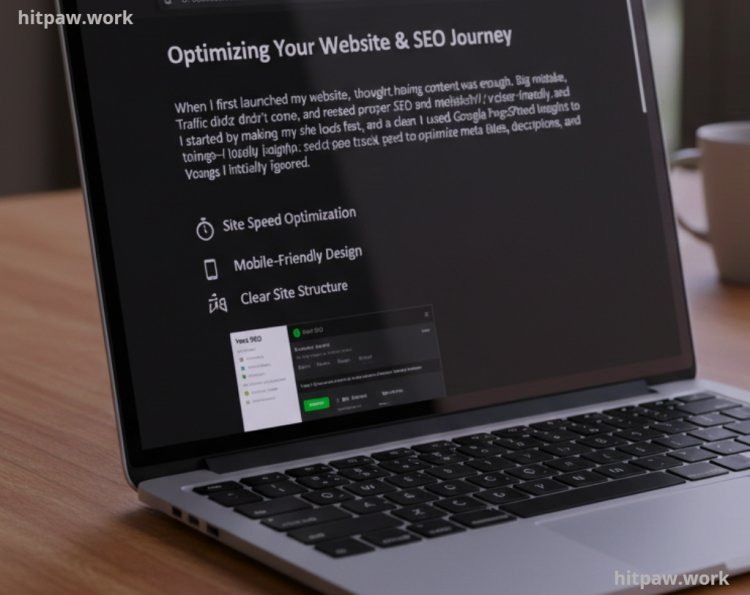
When I first launched my website, I thought just having content was enough. Big mistake. Traffic didn’t come, and I realized I needed proper SEO and website optimization. I started by making sure my site loads fast, is mobile friendly, and has a clear structure things I initially ignored. I used Google PageSpeed Insights to track loading speed and Yoast SEO plugin to optimize meta titles, descriptions, and headings.
Next, I focused on keyword research. I didn’t just pick random keywords; I used Ubersuggest and Google Keyword Planner to find terms my audience actually searches for. Then, I naturally wove them into my content, URLs, and image alt texts.\
Step 5: Running Paid Campaigns
When I first started digital marketing, I relied mostly on organic strategies, but I quickly realized that paid campaigns accelerate results. I began with Facebook Ads and Google Ads, starting small with budgets of $5 to $10 per day. I carefully targeted audiences based on interests, location, and behavior, and tested multiple ad creatives to see which resonated.
One key lesson was to track everything using analytics click through rates, conversions, and ROI. Initially, I spent money on ads that didn’t perform, but by analyzing the data, I optimized campaigns and started seeing real returns. Running paid campaigns taught me how to scale marketing efforts while minimizing wasted spend.
Step 6: Measuring & Adjusting
I tracked metrics religiously:
• Click through rates (CTR)
• Conversion rates
• Cost per acquisition (CPA)
One mistake I made was ignoring CTR at first, focusing only on impressions. That taught me that engagement quality is more important than quantity.
Step 7: Building Email Marketing
When I first tried email marketing, I thought sending occasional updates was enough. That was my first mistake. I quickly learned that a consistent, value driven approach is key. I started by setting up MailerLite because it was beginner friendly and offered automation features I could actually use.
I created a lead magnet a simple free checklist related to digital marketing that encouraged visitors to subscribe. Then I segmented my audience based on interests, so the emails I sent were relevant, not generic. For example, people who downloaded my SEO guide received tips about on page SEO, while social media enthusiasts got content strategy tips.
I also tested sending times and subject lines. Using A/B testing, I discovered that emails sent early in the morning had higher open rates, and subject lines with numbers or “how to” phrasing performed better.
Step 8: Continuous Learning & Testing
One thing I quickly realized in digital marketing is that what works today might not work tomorrow. I made it a habit to learn from every campaign, track metrics closely, and test different strategies. For example, I experimented with subject lines in emails, posting times on social media, and ad creatives. Some tests failed, but I learned which approaches my audience responds to best. Continuous learning and testing became my way of staying relevant and improving results consistently.
What I Got Wrong the First Time
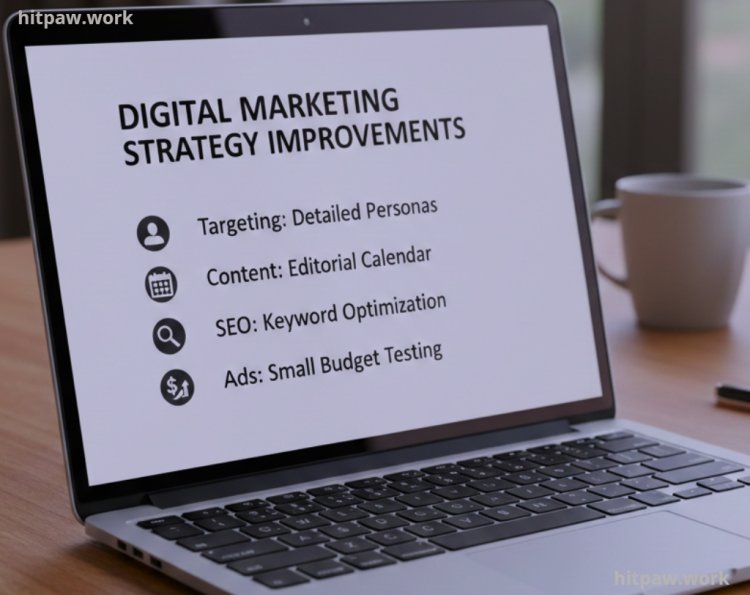
1. Targeting everyone instead of a specific audience: Fixed by creating detailed personas.
2. Posting content randomly: Fixed by creating a content calendar.
3. Ignoring SEO: Fixed by learning keyword research and optimizing the website.
4. Overspending on paid ads early: Fixed by testing small budgets first.
These mistakes were painful but crucial for my growth.
Tip
• Always start small and track everything. Don’t assume any strategy works without data.
• Use A/B testing for headlines, ads, and email campaigns.
• Repurpose content across channels to save time and maintain consistency.
Maintenance Table for Digital Marketing
|
Task |
Frequency |
Tool/Method |
|
Content posting |
2 to 3 times/week |
Blog & Social Media |
|
SEO check |
Monthly |
SEMRush, Ahrefs |
|
Analytics review |
Weekly |
Google Analytics |
|
Email campaigns |
Weekly |
Mailchimp |
|
Paid ads optimization |
Daily |
Google Ads, FB Ads Manager |
Real Feedback I Collected
After running my first few digital marketing campaigns, I asked clients and colleagues for honest feedback. One client said my emails were “too generic,” while another mentioned my social media posts didn’t match their brand voice. This feedback helped me adjust my approach focusing on personalized messaging, consistent branding, and targeted ad strategies. Collecting real feedback early gave me insights I couldn’t have learned from tutorials alone.
How I Think About Digital Marketing Now
From my experience, digital marketing isn’t about overnight success it’s about consistency, testing, and learning from what works and what doesn’t. I’ve learned to focus on understanding my audience, creating value, and tracking results rather than chasing every new trend. Every small campaign taught me something, and even failures became lessons for better strategies. Now, I approach digital marketing with patience, clear goals, and a mindset of continuous improvement.
Frequently Asked Questions
Q1: What exactly is digital marketing?
A: Digital marketing is promoting products or services online using channels like social media, search engines, email, and websites. It allows precise targeting and measurable results.
Q2: Do I need a big budget to start?
A: Not at all. You can begin with free strategies like content marketing and social media posting. Paid ads can start small ($5 to $10/day) and scale as you see results.
Q3: How long does it take to see results?
A: Organic results like SEO and content marketing take 2 to 3 months. Paid ads can show results in days, but optimization is key.
Q4: Which digital marketing channels should I focus on first?
A: Focus on where your target audience is. For B2C businesses, Instagram and Facebook work best. For B2B, LinkedIn and email marketing are more effective.
Q5: Do I need technical skills to start?
A: Basic skills like using WordPress, Canva, Google Analytics, and social media platforms are enough to begin. You can learn advanced tools gradually.
Q6: Can I manage digital marketing on my own?
A: Yes, especially when starting small. Automation tools for posting, emails, and tracking can save time and make management easier.
What's Your Reaction?