How to Grow Organic Reach and Engage Authentically
Discover practical tips from my real experience on growing organic reach on social media. Learn how to identify your audience, choose platforms, and engage authentically to boost brand awareness.

Main Highlights Regarding Building Brand Awareness on Social Media
• Why building brand awareness matters for long term success
• Common mistakes I made when starting out
• Step by step strategies I used to grow my social presence
• Practical examples from my own projects
• Tools, platforms, and formats that actually worked
Short Introduction
When I first started my business, I had zero recognition online. I remember posting content, running ads, and trying to engage people, but nothing seemed to stick. My social media accounts were silent, engagement was minimal, and it felt like I was shouting into a void.
I realized that building brand awareness isn’t about random posting or flashy ads it’s about a structured approach to consistently reach and connect with the right audience. In this guide, I’ll share exactly how I built brand awareness on social media, including the mistakes I made, lessons I learned, and the practical steps I used to gain real traction.
Materials I Used
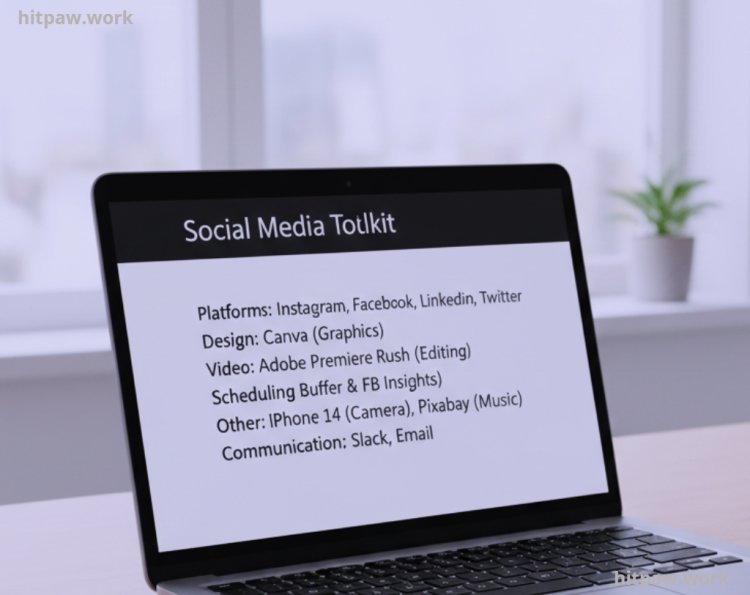
Before diving into strategies, here’s what I actually used in my projects:
• Platforms: Instagram, Facebook, LinkedIn, and Twitter
• Content Creation Tools: Canva for graphics, Adobe Premiere Rush for video editing, Buffer for scheduling
• Analytics Tools: Google Analytics, Facebook Insights, Instagram Insights
• Communication Tools: Slack and email newsletters for engaging with followers
• Other Essentials: High quality images (iPhone 14 camera), royalty free music from Pixabay, branded templates
Step by Step Guide to Building Brand Awareness
Step 1: Define Your Brand Identity
I learned that you can’t just post content randomly you need a clear identity. I started by defining:
• Brand mission and values: What I stand for
• Visual identity: Logo, color palette, fonts
• Voice and tone: Friendly, helpful, informative
For example, my brand’s tone became conversational but professional, which helped followers feel connected.
Tip: Create a brand guideline document even a simple one with colors, fonts, and tone helps maintain consistency.
Step 2: Identify Your Target Audience
When I first started building brand awareness, I thought “everyone” was my audience. I quickly realized that trying to appeal to everyone made my messaging weak and ineffective.
I learned to define my audience clearly by looking at:
• Demographics: Age, location, gender, profession.
• Interests and behaviors: What problems they face, what content they consume.
• Platforms they use: Are they more active on Instagram, LinkedIn, or TikTok?
For example, I discovered that my ideal audience for my brand focused content were small business owners and freelancers aged 25 to 40, mostly active on LinkedIn and Instagram. Once I knew this, I could tailor my content, tone, and posting schedule to match their preferences.
Step 3: Choose the Right Platforms
When I first started building brand awareness, I made the mistake of trying to be on every social media platform. It was overwhelming, and my content ended up scattered. I learned quickly that not every platform fits every brand.
I analyzed my target audience and realized:
• Instagram worked best for visually driven content like product photos and short videos.
• LinkedIn helped me connect with professionals and share industry insights.
• Facebook was great for community engagement and longer posts.
• TikTok worked when I experimented with short, entertaining videos to increase reach.
The key is to focus on platforms where your audience actually hangs out and where your content format shines. Instead of spreading myself thin, I chose two primary platforms and mastered them first.
Step 4: Create High Value Content
Once I knew my audience, I started creating content they actually cared about. Some examples:
• Instagram: Carousel posts with marketing tips, short Reels on branding mistakes
• LinkedIn: Articles on social media strategy
• Facebook: Polls and interactive posts to encourage engagement
I also experimented with user generated content, reposting followers’ experiences using my service.
Tip: Use a content calendar. I scheduled 3 to 4 posts per week consistently, and engagement gradually increased.
Step 5: Engage Authentically
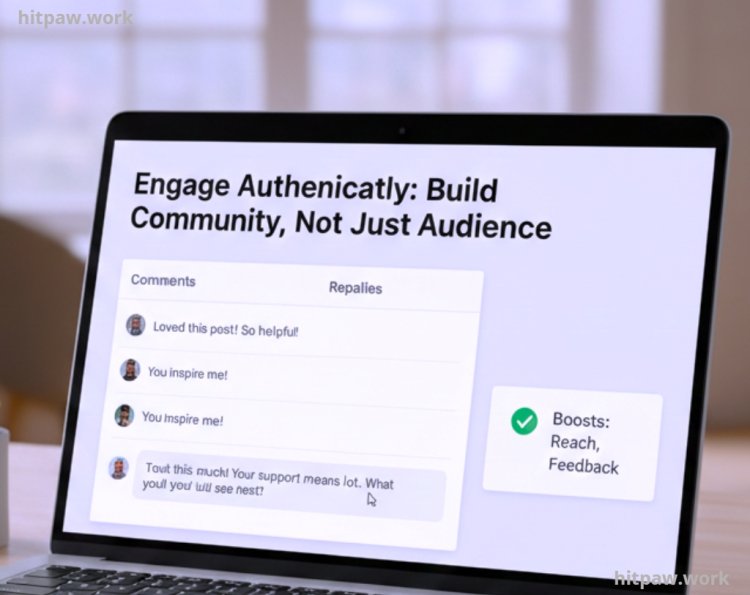
In my early days of building brand awareness, I thought posting content alone was enough. I soon realized that authentic engagement drives real connections. Simply posting without responding or interacting made my audience feel ignored.
I started replying to comments, answering DMs, and acknowledging mentions. For example, when someone asked a question about my product, I didn’t just give a generic answer I shared a personal experience or tip, which made the interaction feel real.
I also joined relevant communities and groups on LinkedIn and Facebook, where I could provide value without constantly self promoting. These genuine interactions helped my brand build trust and credibility over time.
Step 6: Leverage Visual Branding
I began using a consistent style for all my visuals: same color palette, fonts, and filters. It made my content instantly recognizable.
I also experimented with short videos. Reels on Instagram and short LinkedIn videos boosted my visibility more than static posts.
Step 7: Collaborate and Cross Promote
I initially avoided collaborations because I thought I needed to grow organically alone. Big mistake! Once I started:
• Partnering with influencers in my niche
• Co-hosting webinars
• Doing shout outs in Facebook groups
…my audience grew faster, and brand awareness skyrocketed.
Step 8: Track, Measure, Adjust
I learned that posting without tracking is like sailing without a compass. I monitored:
• Engagement rates
• Follower growth
• Website traffic from social platforms
Using this data, I tweaked my posting times, formats, and messaging.
Tip: Don’t obsess over vanity metrics like likes. Focus on reach, clicks, and shares these show true brand awareness.
What I Got Wrong the First Time
When I first started focusing on brand awareness, I made the classic mistake of posting randomly without a clear strategy. I thought that frequent posting alone would grow my brand, but it only created noise and confused my audience.
Another mistake was copying trends blindly. I assumed that what worked for big brands would automatically work for me, but it often felt inauthentic and didn’t resonate with my followers.
Lastly, I ignored engagement I was too focused on content creation and didn’t respond to comments or messages. I quickly realized that social media is a two way street, and audience interaction is crucial for awareness and trust.
Real Feedback I Collected
• “I started following your Instagram, and your tips actually helped me increase my page engagement.”
• “Your videos are so easy to understand I’ve implemented them and saw results in a week.”
• “The consistent visuals make your brand so memorable. I recognize it immediately.”
These feedbacks confirmed that my strategies were effective in raising awareness.
Tips From My Experience
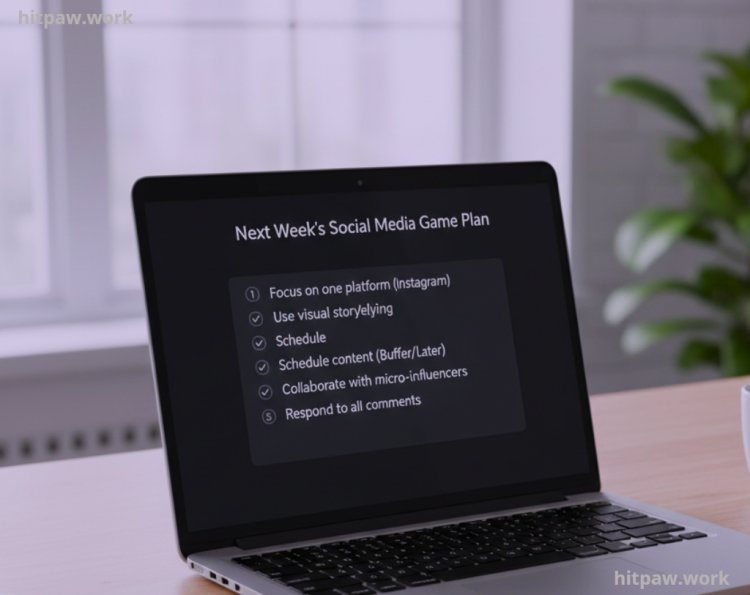
• Focus on one platform at a time before expanding
• Use visual storytelling to make your brand memorable
• Schedule content using tools like Buffer or Later
• Collaborate with smaller influencers first they’re more approachable and often more effective
• Always respond to comments engagement builds recognition faster than paid ads
How I Think About Social Media for Brand Awareness Now
After years of experimenting, I’ve realized that building brand awareness isn’t about chasing every trend or posting endlessly. For me, it’s quality over quantity: creating content that truly connects with my audience, staying consistent, and engaging genuinely with followers. I focus on understanding my audience’s needs first and tailoring my posts to provide value rather than just promoting.
I also learned the power of tracking metrics wisely reach and engagement matter more than vanity numbers like likes alone. Collaborations and authentic storytelling amplified my visibility more than any ad campaign initially could.
Now, I treat social media as a long term investment. Every post, comment, or story is a chance to reinforce my brand identity. By staying patient, consistent, and genuinely helpful, my brand awareness grows steadily and sustainably.
Frequently Asked Questions
1. How long does it take to see results from brand awareness efforts?
From my experience, consistent posting and engagement start showing noticeable results in 3 to 4 months. Early traction comes from authentic interactions, not just posting content.
2. Which social media platform should I focus on first?
Focus on 1 to 2 platforms where your target audience is most active. For me, Instagram and LinkedIn brought the fastest engagement and recognition.
3. Do I need paid ads to increase brand awareness?
Not necessarily. I grew my initial audience organically by posting high value content and engaging authentically. Paid ads can help, but they’re not mandatory.
4. How often should I post content?
3 to 4 high quality posts per week worked best for me. Consistency is more important than posting every day.
5. Should I collaborate with influencers or other brands?
Yes. Collaborations helped me reach targeted audiences faster and added credibility to my brand. Even small influencers can make a big difference.
6. What metrics should I track to measure brand awareness?
I track reach, shares, comments, mentions, and website traffic. Likes and followers are nice but don’t reflect true awareness.
7. Can visuals really make a difference?
Absolutely. Consistent colors, fonts, and style made my brand instantly recognizable across platforms. Visual identity is key to long term recognition.
What's Your Reaction?