How to Grow Organic Reach on Social Media
Discover practical strategies to grow your social media reach organically. Learn from real experiences, actionable tips, and proven methods to boost engagement without paid ads.

Main Highlights Regarding Growing Organic Reach on Social Media
• Why organic reach matters more than ever.
• How I increased my social media visibility without spending a penny.
• Step by step strategy I personally used.
• Common mistakes I made and how I fixed them.
• Pro tips and real life examples.
• Maintenance table for content consistency and growth tracking.
Short Introduction
When I first started managing social media for my small brand, I was obsessed with followers and likes. But the more I posted, the less engagement I seemed to get. I learned the hard way that chasing numbers doesn’t work what really matters is organic reach, the actual number of people seeing your content without paid promotion.
Through trial, error, and a lot of testing, I figured out strategies that consistently boost organic reach across platforms like Instagram, Facebook, LinkedIn, and even TikTok. Here’s a detailed account of what I did, including my failures and lessons.
Materials I Used
• Social Media Scheduling Tools: Buffer, Later, Hootsuite
• Analytics Tools: Meta Insights, Google Analytics, LinkedIn Analytics
• Content Creation Tools: Canva (graphics), CapCut (videos), Grammarly (writing)
• Audience Research Tools: AnswerThePublic, BuzzSumo
• Community Engagement Tools: Facebook Groups, LinkedIn Groups, Discord Communities
Step by Step Guide to Grow Organic Reach
Step 1: Audit Your Existing Social Media Profiles
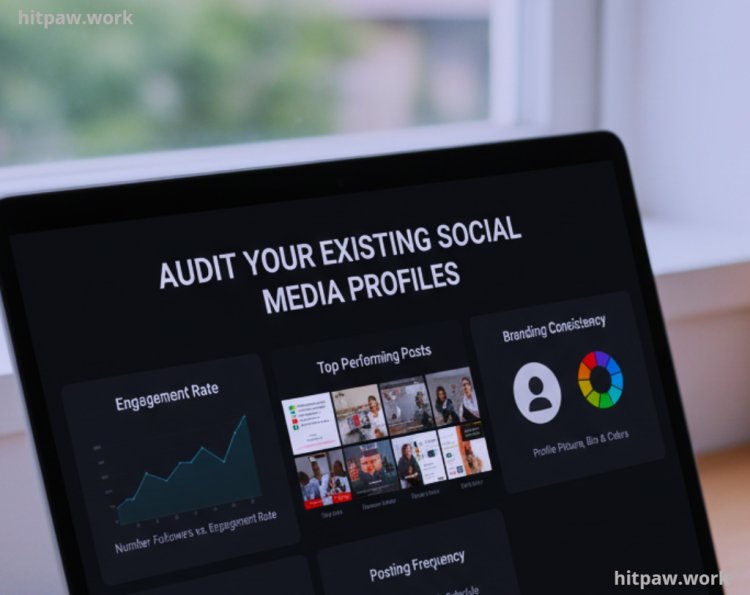
Before I could improve my reach, I had to know where I stood. I reviewed all my accounts to check:
• Number of followers vs. engagement rate
• Types of posts performing best
• Posting frequency
• Branding consistency
I realized I was posting randomly without a plan, and many posts weren’t optimized for my audience’s interests.
Tip: Use analytics tools to find your top 3 content types the ones that get the highest engagement and prioritize those.
Step 2: Define Your Target Audience
Early on, I assumed my content would appeal to everyone. That was a big mistake. Once I defined my target audience clearly age, interests, online behavior, pain points I could create content that actually resonated.
• I created audience personas for Instagram and LinkedIn.
• I joined niche specific communities to understand the topics people care about.
This helped me avoid creating “general content” that nobody engaged with.
Step 3: Optimize Your Profiles
I used to skip this step, thinking content alone would work. Wrong! A clean, professional, keyword optimized profile made a huge difference.
• Clear bio with keywords
• Consistent brand imagery
• Highlight sections on Instagram & LinkedIn
• Pinned posts for top content
Lesson Learned: First impressions matter. Organic reach starts with making your profile appealing to newcomers.
Step 4: Craft a Content Strategy
This was the turning point. I planned content for 30 days at a time, mixing:
• Educational posts
• Entertaining posts
• Personal storytelling
• User generated content
I aimed for content people want to share, not just “like.”
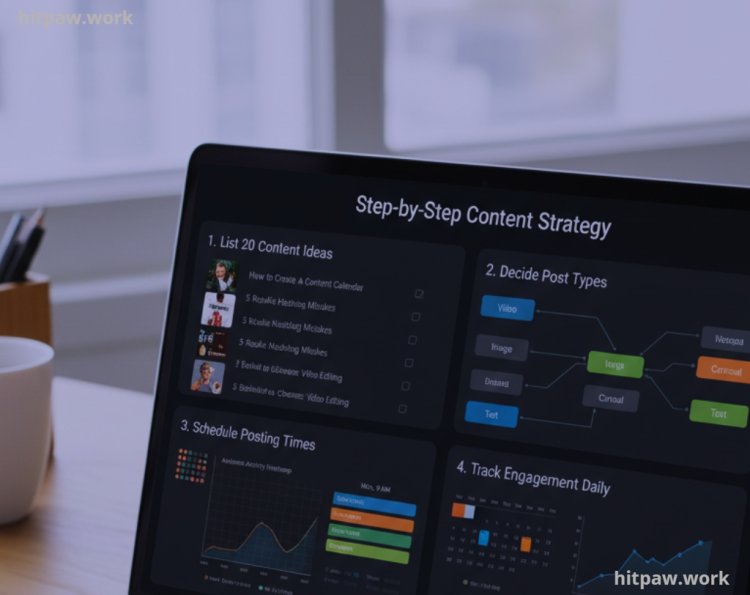
Step by Step Content Strategy I Followed:
1. List 20 content ideas aligned with audience pain points.
2. Decide post types (image, video, carousel, text).
3. Schedule posting times based on audience activity.
4. Track engagement daily to adjust.
Step 5: Engage Consistently
I realized organic reach doesn’t grow in isolation. I spent 30 to 60 minutes daily interacting:
• Replying to comments
• DM’ing new followers
• Commenting on niche relevant accounts
• Sharing and tagging relevant people
Tip: Engagement is reciprocal. The more value you provide in interactions, the more visibility your account gains organically.
Step 6: Use Hashtags & SEO Tactics
Hashtags were confusing at first. I overused broad hashtags like #socialmedia or #marketing. That didn’t work.
Here’s what I changed:
• Used 5 to 10 niche specific hashtags
• Checked competitor posts for hashtag ideas
• Rotated hashtags to avoid repetition
SEO Tip: On platforms like LinkedIn and YouTube, keywords in your titles and descriptions boost discoverability.
Step 7: Post Video & Interactive Content
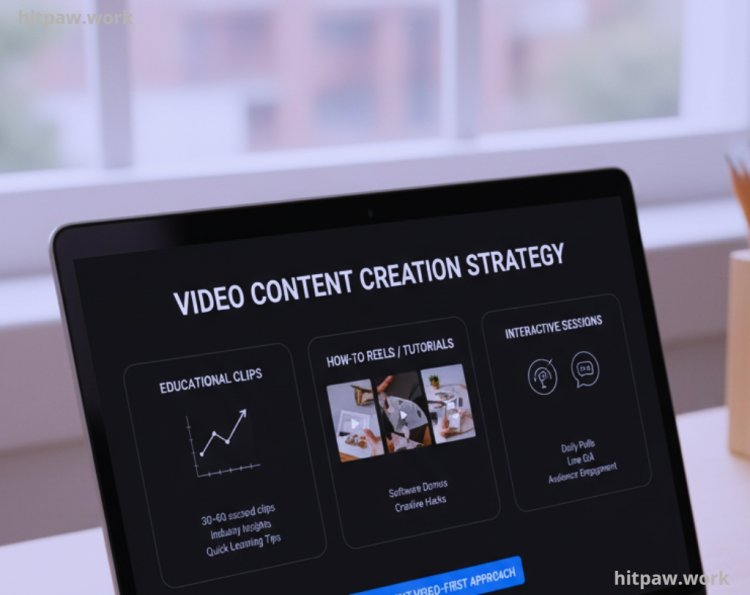
I noticed video content consistently outperformed images. I started creating:
• 30 to 60 second educational clips
• “How to” reels/tutorials
• Polls and Q&A sessions
This drove higher engagement and algorithmic preference.
Lesson Learned: People spend more time on videos, which tells algorithms your content is valuable thus increasing organic reach.
Step 8: Collaborate and Cross Promote
I made a mistake by trying to grow alone. Collaboration worked wonders:
• Partnered with niche influencers
• Guest posts on related pages
• Shared community content and tagged creators
These small collaborations expanded my organic reach without spending money.
Step 9: Track Performance & Iterate
Every week, I tracked:
• Post reach and engagement
• Follower growth rate
• Click through on links
• Content type performance
I dropped what didn’t work, doubled down on what did.
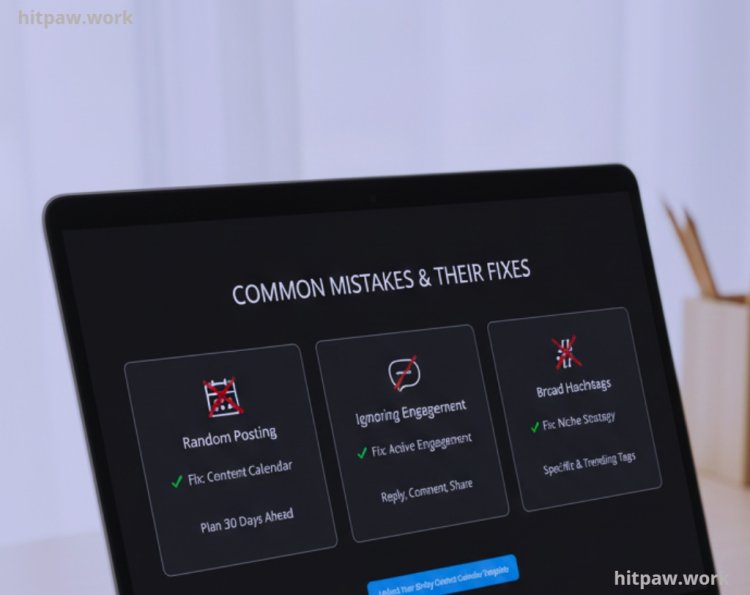
What I Got Wrong the First Time
I made several mistakes:
• Posting randomly: I didn’t schedule content. Fix: Plan content 30 days ahead.
• Ignoring engagement: I focused only on posting. Fix: Spend time replying, commenting, sharing.
• Overusing broad hashtags: I used hashtags like #marketing. Fix: Switch to niche specific and trending hashtags.
These mistakes taught me that organic reach is a combination of strategy, consistency, and engagement.
Real Feedback I Collected
I asked followers and colleagues:
• “Your posts feel helpful and authentic.”
• “Videos make the content easy to digest.”
• “Polls and Q&A sessions help us interact with you more.”
This feedback reinforced that value driven content wins.

Tips From My Experience
1. Consistency Over Frequency Posting every day isn’t always necessary. I focus on consistent, valuable content even if it’s 2 to 3 times a week. My audience responds better to quality over quantity.
2. Engage First, Promote Later I spend time replying to comments and messages before pushing new content. Engagement fuels reach more than posting blindly.
3. Repurpose Content Smartly I take one blog or video and turn it into carousels, short clips, or infographics. This saved me hours while reaching different audience types.
4. Use Insights, Not Guesswork I check which posts get the most saves, shares, or comments and create similar content. Numbers guide me more than assumptions.
5. Experiment Regularly Even if something worked last month, I test new formats, times, or hashtags. Small tweaks often give a big boost in reach.
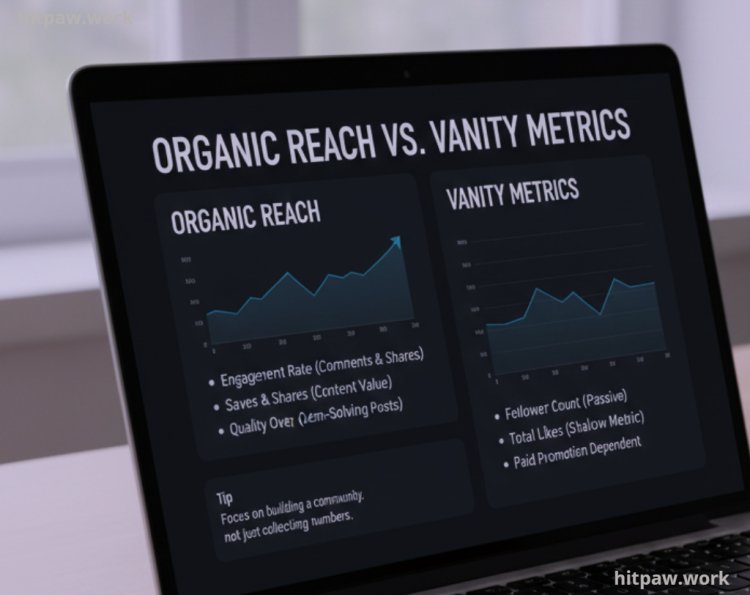
6. Avoid Vanity Metrics Likes and views feel good, but I focus on comments, shares, and meaningful interactions. That’s what grows a real audience.
How I Think About Organic Reach Now
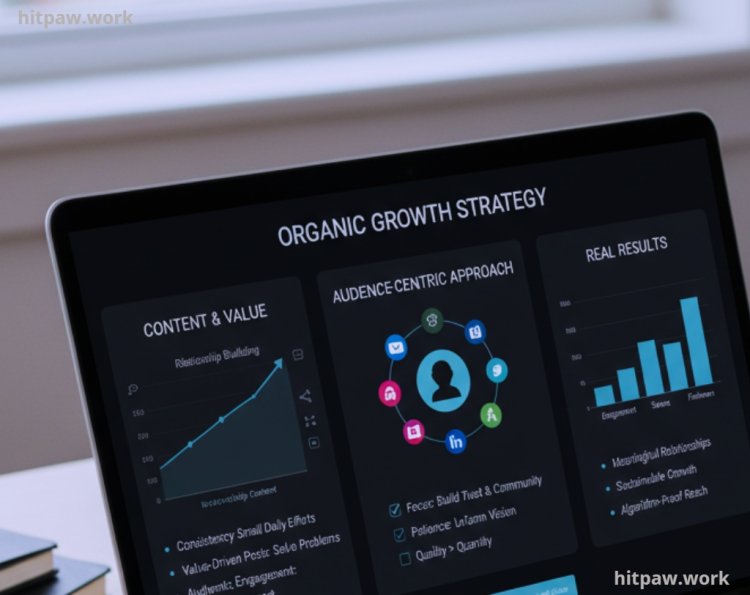
From my experience, growing organic reach isn’t about chasing every trend or using every platform. It’s about consistency, value, and authentic engagement. I’ve learned that even small daily efforts responding to comments, posting helpful content, and interacting with your audience compound over time.
I no longer stress over immediate results. Instead, I focus on building trust and a community. Organic growth is slow but sustainable, and the relationships you create are far more valuable than any temporary spike in reach.
Remember: quality beats quantity, patience beats shortcuts, and engagement beats algorithms. Keep your audience at the center, and the growth will follow naturally.
Frequently Asked Questions
1. How long does it take to see growth in organic reach?
From my experience, consistent posting, engagement, and value driven content usually show noticeable results within 2 to 3 months, though real growth can continue for a year or more.
2. Which type of content works best for organic reach?
Video content, carousel posts, and interactive content like polls and Q&A sessions tend to perform best. I found that short, informative videos often get the most shares and saves.
3. Are hashtags still effective?
Yes, but they must be niche specific and relevant. Using broad hashtags like #marketing or #business rarely helps; instead, mix trending and audience focused hashtags.
4. How often should I post?
For most social media platforms, posting 3 to 5 times a week keeps your audience engaged without overwhelming them. Consistency matters more than quantity.
5. Should I focus on one platform or multiple?
Start with one platform where your target audience is most active. Once you understand what works, expand gradually to other platforms to maximize reach.
6. Can collaborating with other creators improve organic reach?
Absolutely. Even small collaborations, guest posts, or cross promotions can introduce your content to new audiences and boost reach without spending money.
7. How important is audience engagement?
Engagement is critical. Replying to comments, DMs, and interacting with other accounts signals value to the algorithm and builds long term organic growth.
8. Do paid promotions help organic reach?
Paid campaigns can boost visibility temporarily, but for long term growth, organic engagement and value driven content are more sustainable.
9. How do I track which content is performing best?
Use analytics tools like Meta Insights, LinkedIn Analytics, or Google Analytics to monitor reach, engagement, shares, and saves. Focus on content types that get the most interaction.
10. Can I grow organically without video content?
Yes, but growth may be slower. Text and image posts can still perform well if they provide high value, are shareable, and resonate with your audience.
What's Your Reaction?