How to Choose the Right Freelance Niche
Learn how I found my freelance niche with practical steps, real feedback, and tools to help you focus, attract clients, and grow your freelancing career.

Main Highlights Regarding Choosing a Freelance Niche
• Picking the right niche is more about focus than skill level.
• My first niche attempt failed because I tried to appeal to everyone.
• Tools I used: Google Trends, Fiverr, Canva, Trello, LinkedIn.
• Step by step approach: Self assessment > Market research > Testing > Focus.
• Tip: Your niche should intersect your passion, skill, and market demand.
Short Introduction
I remember when I first decided to go freelance, I had no idea which path to take. I thought freelancing meant “do anything and everything” because I could technically write, design, or manage social media. But that approach quickly left me frustrated: projects were inconsistent, clients were unclear, and I was constantly competing with thousands of others for every job.
The turning point came when I realized that picking the right freelance niche isn’t just helpful it’s critical. A niche focuses your efforts, makes you more visible to potential clients, and allows you to charge what you’re worth. In this post, I’ll share how I discovered my niche, the tools I used, what went wrong the first time, and actionable steps you can follow.
My First Mistake: Trying to Be Everything
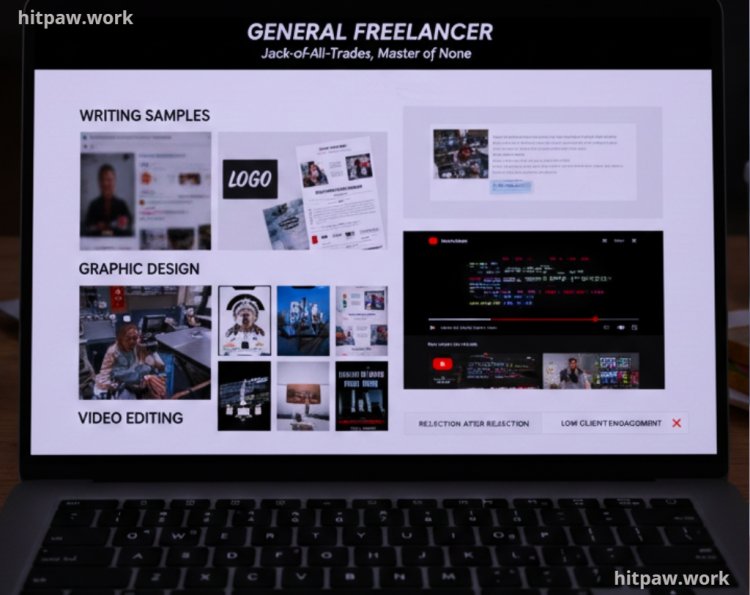
When I started, I wanted to “keep my options open.” I advertised myself as a general freelancer writing, graphic design, social media, and even video editing. My portfolio was a messy collection of unrelated work. The result? Low client engagement, endless rejections, and frustration.
• Lesson Learned: Freelancers who succeed often focus on a specific niche where they can be known as an expert, not a generalist.
Tools I Used to Discover My Freelance Niche
To make my niche discovery process practical, I relied on the following:
• Google Trends To check what freelance services are currently in demand.
• Fiverr and Upwork To analyze what services are selling well.
• LinkedIn To see what clients are hiring for in specific industries.
• Canva To create sample work for niche testing.
• Trello To track ideas, research, and testing progress.
• Notion For logging insights and potential client profiles.
Using these tools helped me make data driven decisions rather than guessing.
Step by Step Guide: How I Chose My Freelance Niche
Here’s the exact process I followed:
Step 1: Self Assessment
I made a detailed list of everything I could do:
• Writing blog posts
• Designing social media graphics
• Editing videos
• Managing social accounts
Then, I scored each skill based on:
1. Enjoyment Do I enjoy doing this for hours?
2. Skill Level Am I confident in my ability to deliver quality work?
3. Marketability Are clients looking for this skill?
For me, writing blog posts scored high across all three. That became my starting point.
Step 2: Market Research Where Demand Meets Opportunity
After narrowing my focus to content writing, I researched:
• Popular industries hiring writers (tech, health, finance)
• The types of writing in demand (blogs, product descriptions, email marketing)
• Average rates and competition
I used Fiverr and Upwork for this. For example, I noticed that blog writing for health and wellness websites had high demand but relatively low competition if I focused on niche topics like “mental health for young adults.”
Step 3: Test Your Niche With Mini Projects
Before fully committing, I created small sample projects:
• Wrote 3 blog posts for hypothetical clients
• Designed matching images with Canva
• Shared them on LinkedIn and Medium
This helped me see where I felt confident and what feedback I could get from early audiences. Some topics I tested failed like “finance tips for seniors because I didn’t have enough knowledge to provide value.
Step 4: Narrow Down Further
Once I had a general idea of my freelance niche, I realized it was still too broad to stand out. I needed to focus on a specific sub niche where I could be seen as an expert.
I asked myself: Which clients do I enjoy working with most? Which projects pay well and match my skills? For example, instead of just “graphic design,” I narrowed it down to social media graphics for small businesses. This made it easier to market myself, craft a portfolio, and attract clients who were looking for exactly what I offered.
Step 5: Create a Portfolio Focused on Your Niche
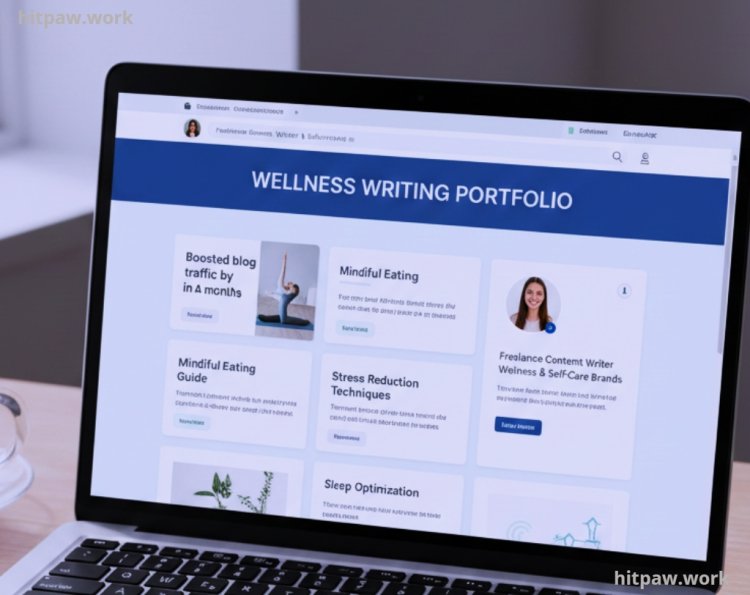
I revamped my portfolio to reflect my niche:
• Only included wellness writing samples
• Highlighted results: e.g., “Boosted blog traffic by 40% in 3 months”
• Updated LinkedIn headline to: Freelance Content Writer Wellness & Self Care Brands
Clients immediately understood what I specialize in, which made outreach more effective.
Step 6: Networking Within Your Niche
Instead of random freelance groups, I joined:
• Facebook communities for wellness brands
• LinkedIn groups for health writers
• Online forums like Reddit’s r/writing and r/freelance
Networking inside your niche increases opportunities for referrals and partnerships.
Step 7: Adjust and Expand
After working in your chosen freelance niche for a few months, I realized that sticking rigidly to my initial plan was limiting my growth. Some services I offered were in higher demand than others, and certain project types were more enjoyable and profitable.
I started tracking which projects gave me the best results and feedback. Then, I adjusted my offerings to focus on those strengths while slowly expanding into related services that clients requested. For example, I initially focused on blog writing but later added email newsletters because many clients needed them.
What I Got Wrong the First Time
When I first tried to pick a freelance niche, I made the mistake of choosing something purely based on money potential rather than my interest or skill set. I quickly realized that working on projects I didn’t enjoy made me lose motivation and slowed my progress.
The fix was simple but powerful: I shifted to a niche that matched both my skills and genuine curiosity, even if it meant earning less at first. This change not only made my work more enjoyable but also helped me deliver higher quality results, which attracted more clients over time.
Tips From My Experience
From my journey choosing a freelance niche, I’ve learned a few things that really helped me:
1. Start Small, Test Often I began with one niche and offered small projects to see how the market responded before fully committing.
2. Follow Your Curiosity I picked niches that genuinely interested me; it made learning faster and work enjoyable.
3. Watch Client Demand I checked job boards and social media to ensure people were actively looking for services in my niche.
4. Be Ready to Pivot I didn’t hesitate to tweak my niche based on feedback or emerging trends; flexibility matters.
5. Document Your Wins I kept a simple log of successful projects, which helped me build confidence and attract more clients.
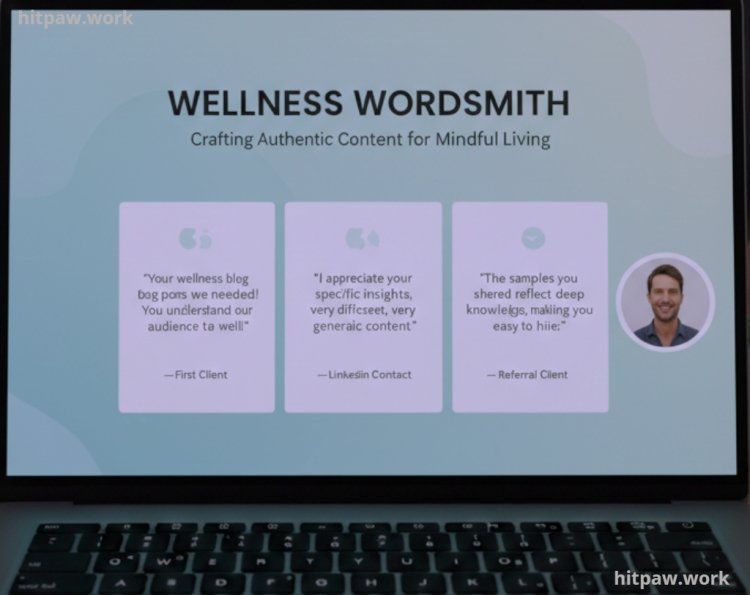
Real Feedback I Collected
• “Your wellness blog posts are exactly what we needed! You understand our audience so well.” First client
• “I appreciate your specific insights into self care topics; very different from generic content.” LinkedIn contact
• “The samples you shared reflect deep knowledge, making it easy to hire you.” Referral client
How I Think About Choosing a Freelance Niche Now
Looking back, I realize choosing a freelance niche isn’t about finding the “perfect” one right away. It’s about starting with a niche that balances what I enjoy, what I’m good at, and what clients actually need. I focus on testing, learning from feedback, and adjusting as I go. This approach keeps me flexible, reduces stress, and makes my work more fulfilling. Picking a niche doesn’t lock you in forever it gives direction while leaving room to grow.
Frequently Asked Questions
Q1: What is a freelance niche and why is it important?
A freelance niche is a specific area or industry you focus on, like writing for wellness blogs or designing for e-commerce stores. Choosing a niche helps clients quickly understand your expertise and increases your chances of getting hired.
Q2: Can I change my freelance niche later?
Yes. It’s normal to pivot as you gain experience or discover new interests. I switched from general content writing to wellness writing after testing different areas and seeing what clients responded to best.
Q3: How do I know if a niche has enough demand?
Check freelance marketplaces like Fiverr, Upwork, and LinkedIn job postings. Google Trends and industry specific forums also give insight into client demand.
Q4: What if I have multiple skills I want to use?
Focus on the skill that combines your strongest ability, enjoyment, and market demand. You can expand later, but starting with one niche prevents overwhelm and positions you as an expert.
Q5: How long does it take to find the right niche?
It depends on how much research and testing you do. For me, it took about 4 weeks to experiment, get feedback, and identify a niche where I could confidently deliver value.
Q6: Is a niche too limiting?
Not if you choose wisely. A niche gives clarity and credibility. You can always broaden your niche later, but starting focused helps you attract clients faster and earn higher rates.
What's Your Reaction?