How to Deal With Client Rejections
Learn from my personal freelancing experience on how to handle client rejections professionally. Step by step strategies, real feedback, and tips to improve proposals and confidence.

Key Points Regarding Client Rejections
• I share real life experiences dealing with client rejections as a beginner freelancer.
• Explains emotional, practical, and professional ways to handle rejection.
• Step by step guide to improve responses, workflow, and self confidence.
• Real feedback and lessons learned from actual client interactions.
• Tips to turn rejection into opportunities for growth and future success.
• FAQs addressing common questions freelancers face when rejected.
Short Introduction
I remember the first time I got rejected for a freelance project. I had spent hours preparing a proposal, crafting a portfolio, and even sending a follow up email. When the client politely said, “Thanks, but we won’t be moving forward,” I felt my heart sink. I spent the next few days questioning my skills, my worth, and even whether freelancing was the right path for me.
Over time, I learned that rejection isn’t a reflection of my abilities it’s part of the freelancing journey. Like many freelancers, I had to develop a system for dealing with rejection that protected my confidence, improved my process, and helped me turn “no” into lessons for my next client.
Tools I Used to Handle Client Rejections
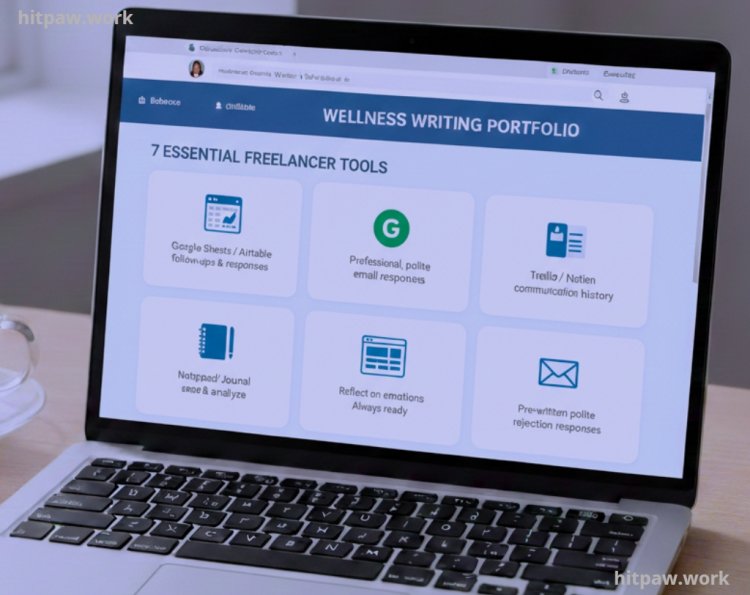
Yes, it might sound strange to list “tools” for dealing with rejections, but in freelancing, practical tools make a huge difference:
• Google Sheets / Airtable: To track proposals, follow ups, and client responses.
• Grammarly: To ensure professional, polite email responses.
• Trello / Notion: For managing client communication history and learning from past proposals.
• Notepad / Journal: For reflecting on my emotions and analyzing what went wrong.
• Portfolio website (Squarespace / WordPress): Ensured my portfolio was always ready to send to new clients.
• Email templates: Pre written polite responses to maintain professionalism after a rejection.
My Experience With Client Rejections
When I first started freelancing, I faced my fair share of client rejections. I remember sending proposals to multiple clients and getting polite “no’s” or no responses at all. At first, it felt discouraging I questioned my skills and even considered giving up.
Over time, I realized rejections weren’t personal; they were part of the process. Some clients had budget constraints, others were looking for a slightly different skill set, and some just didn’t feel my style matched their brand. I started keeping track of feedback, analyzing why a proposal wasn’t accepted, and adjusting my approach accordingly.
Now, I treat each rejection as a learning opportunity. I refine my pitches, improve my portfolio, and sometimes even reconnect later with the same clients many of whom end up hiring me once my work better aligns with their needs.
Real Feedback I Received
• “You’re talented, but we’re going with someone with more experience in our niche.”
• “Appreciate your proposal; our budget doesn’t match your rates.”
• “We’ve chosen another freelancer whose timeline fits our project better.”
At first, these felt discouraging, but I started reading between the lines. Every rejection carried a clue about improving my services, pitching, or workflow.
Step by Step Guide to Handling Client Rejections
Step 1: Take a Pause
When I first get a rejection, I always wait at least 24 hours before responding. Emotional reactions can damage professionalism.
• Tip: Use this time to breathe, write down your initial feelings, and detach emotionally.
Step 2: Analyze the Reason
After receiving a rejection, I learned that the most important thing is not to take it personally, but to understand why it happened. Initially, I would get discouraged and move on without reflection. Later, I started asking myself questions like:
• Was my proposal clear and tailored to the client?
• Did I meet all the project requirements?
• Could my pricing have been off?
• Was my portfolio relevant and strong enough?
I even began keeping a simple spreadsheet to track rejections, noting the client’s feedback (if given) and my observations. Over time, this helped me identify patterns, such as missing details in proposals or needing stronger samples for certain industries.
Step 3: Send a Polite Response
When a client rejects your proposal or application, I learned that your response matters more than you think. Early on, I used to get frustrated and ignore the message, but I realized that maintaining professionalism can leave a door open for future opportunities.
I always reply with a short, polite message thanking them for considering me, such as:
"Thank you for reviewing my proposal. I appreciate your time and hope we can collaborate on future projects."
This approach shows maturity and professionalism. I’ve had several clients who initially rejected me but later contacted me when a new project came up because I left a positive impression.
Step 4: Learn From It
Every rejection is a mini case study. I analyze:
• Was my proposal too generic?
• Did I clearly understand the client’s needs?
• Was my pricing realistic?
• Could I improve my portfolio with relevant examples?
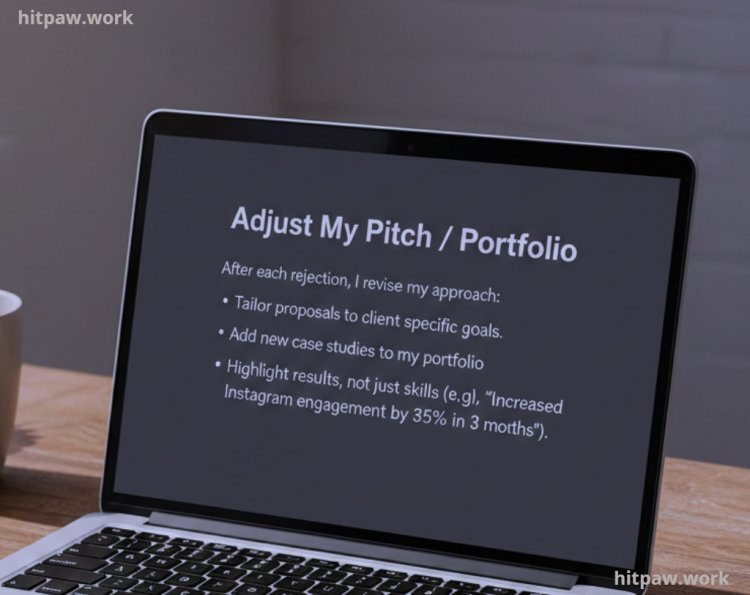
Step 5: Adjust My Pitch / Portfolio
After each rejection, I revise my approach:
• Tailor proposals to client specific goals.
• Add new case studies to my portfolio.
• Highlight results, not just skills (e.g., “Increased client’s Instagram engagement by 35% in 3 months”).
Step 6: Keep Networking
One thing I learned quickly in freelancing is that finding clients once isn’t enoughyou need to keep networking continuously. When I first started, I relied onl y on a few connections and quickly realized that work would dry up without constant effort.
I make it a point to attend online webinars, join industry specific groups on LinkedIn, and participate in small networking events. Even a short conversation with another freelancer can lead to referrals or collaborations later. I also stay in touch with past clients, sharing updates or useful resources they often come back with new projects or recommend me to someone else.
Step 7: Keep Mental Health in Check
Freelancing rejection can hurt self esteem. I make sure to:
• Journal my thoughts.
• Talk to fellow freelancers about similar experiences.
• Remind myself of past successes and client wins.
What I Got Wrong the First Time
1. I Overlooked Client Research I sent generic proposals without understanding the client’s needs, which led to rejections.
2. Pricing Mistakes I either underquoted or overquoted because I didn’t know industry rates.
3. Poor Portfolio Presentation My first portfolio wasn’t tailored to showcase the type of work clients wanted.
4. Not Following Up I assumed silence meant “no,” and missed opportunities to clarify or improve.
5. Taking Rejections Personally I let rejections affect my confidence instead of using them as lessons.
Fix: I started researching clients, setting realistic prices, customizing my portfolio, following up politely, and treating rejections as feedback.
Tips From My Experience
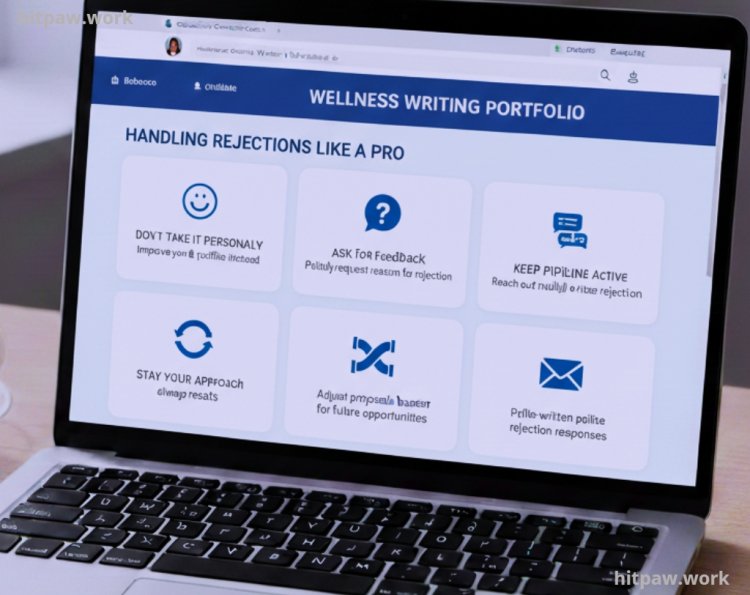
1. Don’t Take Rejections Personally Focus on improving your pitch and portfolio instead.
2. Ask for Feedback Politely request reasons for rejection; this helps you grow.
3. Keep Your Pipeline Active Always reach out to multiple clients to avoid putting all hopes on one.
4. Refine Your Approach Adjust proposals, pricing, or examples based on what works and what doesn’t.
5. Stay Professional Even after a rejection, maintain politeness; you never know when that client might return.
How I Think About Client Rejections Now
After facing multiple rejections, I realized that each “no” isn’t a reflection of my skills but a chance to refine my approach. I now see client rejections as feedback, not failure. They help me improve my proposals, strengthen my portfolio, and understand client needs better.
I focus on staying persistent, learning from each experience, and maintaining professionalism. Over time, this mindset turned rejections into stepping stones, helping me secure better clients and higher paying projects.
Frequently Asked Questions
1. How often do freelancers get rejected?
Almost every freelancer experiences rejection regularly, especially in the early months. Even experienced freelancers face it sometimes multiple times per week.
2. Should I ask for feedback after a rejection?
Yes, politely asking for feedback can give actionable insights. Keep your request concise and professional.
3. Can rejection affect my confidence long term?
It can, if you don’t develop coping strategies. Journaling, peer support, and reflection help protect mental health.
4. Should I follow up with a client after rejection?
Yes, follow up occasionally with a “keeping in touch” message or share relevant content. It may lead to future opportunities.
5. How do I improve after repeated rejections?
Track patterns in rejection reasons, improve your portfolio, refine pitches, and tailor proposals to client needs.
6. Is rejection a sign that freelancing isn’t for me?
Not at all. Rejections are universal in freelancing. Your growth comes from persistence, learning, and adaptation.
Real Feedback I Collected
Over time, I’ve collected feedback from clients who rejected me, and it became one of my most valuable learning tools. Here’s what I learned:
• “Your portfolio is impressive, but we needed someone with more experience in our specific niche.”
• “We loved your proposal, but our budget didn’t align with your rates.”
• “Timing was the main issue; we had to hire someone available immediately.”
• “Your concept was strong, but we preferred a freelancer with previous work in our industry.”
• “We appreciate your effort, but we decided to go with a different approach this time.”
Reading these helped me understand that rejection rarely reflects my talent it’s usually about fit, timing, or client specific requirements. I now treat each piece of feedback as a roadmap to improve my pitches, portfolio, and client communication.
What's Your Reaction?