Real Freelancing Feedback
Discover real feedback from my freelancing journey. Learn practical insights on client management, income growth, and lessons for beginners starting freelance work.

Key Points Regarding Freelancing Earnings
• I tracked my journey from zero experience to earning my first freelance income.
• Covers realistic timelines for different freelancing niches (writing, design, digital marketing, coding).
• Includes mistakes I made and adjustments that helped me earn faster.
• Step by step approach for beginners to start earning with no experience.
• Practical tips for speeding up the income process and sustaining freelance growth.
• Realistic earnings expectations for the first month, first 6 months, and first year.
Why I Started Freelancing
I remember sitting at my desk after another 8 hour day at my old job, feeling exhausted and underpaid. I kept asking myself, “Is there a way to earn online, on my own time, without waiting for a paycheck?”
That’s when I stumbled upon freelancing. The promise of working from home and controlling your income sounded perfect. But I quickly realized: freelancing isn’t an instant money machine. Many beginners expect immediate results, and when the first weeks go by without income, frustration sets in.
I started documenting my journey, recording every proposal, every rejection, and eventually, every first dollar earned. Over time, I discovered a realistic timeline for earning as a freelancer, which I’m sharing here based on my personal experience.
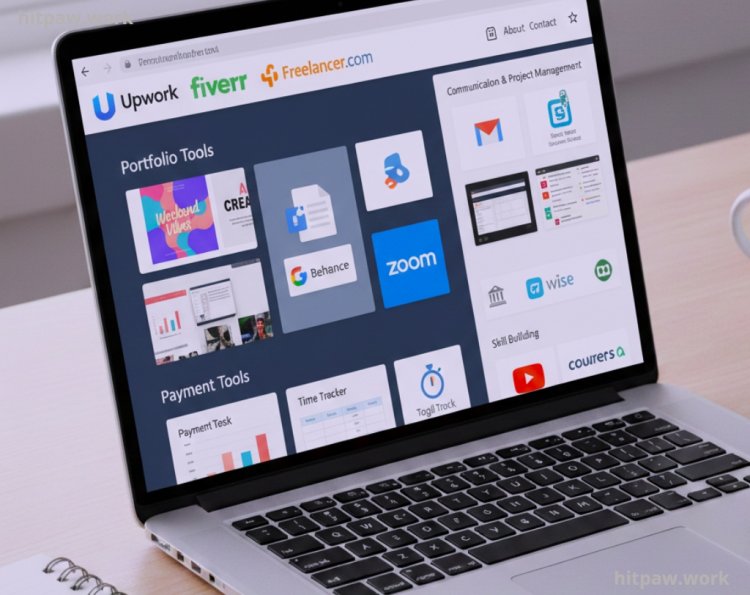
Tools I Used to Start Freelancing
• Laptop / PC I used a mid range laptop with reliable internet connectivity.
• Freelance Platforms Upwork, Fiverr, Freelancer.com for finding initial clients.
• Portfolio Tools Canva for creating sample designs, Google Docs for writing samples, Behance for design showcase.
• Communication Tools Gmail, Slack, Zoom, and Trello for client management.
• Payment Tools PayPal, Wise (TransferWise), and direct bank transfer setups.
• Skill Building Resources YouTube tutorials, Coursera courses, free eBooks.
• Time Tracker Toggl and Google Sheets for tracking work hours and productivity.
My Step by Step Journey to Freelance Earnings
Step 1: Identify Marketable Skills
I started by listing all skills I had: writing, basic graphic design, and social media management. Even if you have zero professional experience, every skill can be monetized if you package it correctly.
Tip: Beginners often overlook transferable skills like Excel expertise, content research, or Canva designs.
Step 2: Build a Small Portfolio
I created a simple portfolio using free tools. For writing, I drafted sample blog posts; for design, I created mockup graphics in Canva.
Lesson Learned: At first, I skipped building samples and applied for jobs with no proof of work. Unsurprisingly, I got rejected multiple times. Creating even a small portfolio drastically increased responses.
Step 3: Join Freelance Platforms
I signed up on Upwork and Fiverr. The initial challenge was competition. I spent weeks sending proposals with no responses.
Tip: Focus on micro gigs first smaller jobs with lower competition help you earn your first reviews.
Step 4: Apply Consistently
I applied to at least 5 to 10 jobs daily. Persistence is key. Rejections are normal. I kept improving my proposals with each application.
Lesson Learned: Copy pasting generic proposals didn’t work. Personalized, clear proposals highlighting my skills and solution for the client made the difference.
Step 5: Set Realistic Expectations
• First Month: My first $50 came after 3 weeks of consistent applications.
• First 3 Months: Earnings rose to $200 to $300 per month.
• 6 Months: I earned $600 to $800 per month after improving my portfolio and client relations.
• 1 Year: I earned over $1,500/month with repeat clients and diversified platforms.
Tip: Many beginners expect $500 to $1000 in week 1. This rarely happens. Be patient and track weekly progress.
Step 6: Improve Skills and Rates Gradually
I reinvested time into learning advanced skills. For example, improving SEO writing and advanced Canva designs allowed me to charge higher rates.
Lesson Learned: Staying at beginner skill level limited my earning potential. Continuous improvement accelerates income.
Step 7: Manage Time Effectively
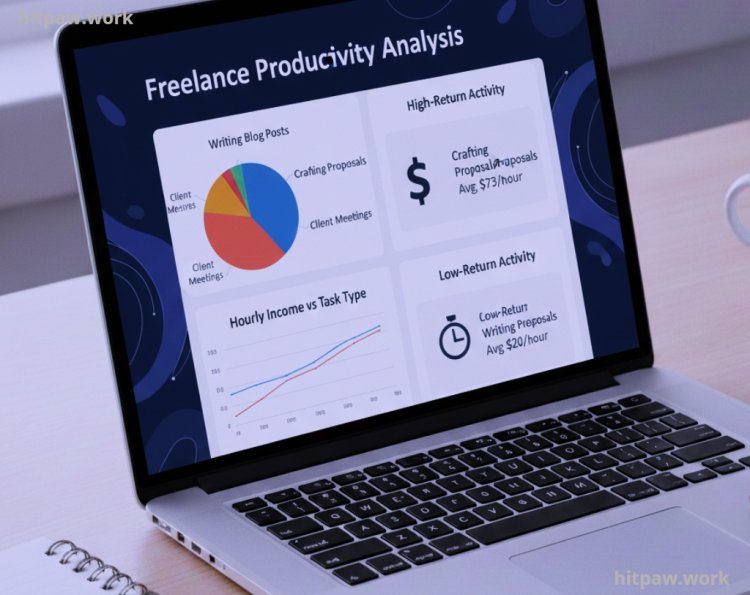
I tracked my time with Toggl. I learned which tasks yielded more income. Writing a single blog post might take 2 hours, but a well crafted proposal could land a $50 to $100 job. Prioritizing high return activities increased my effective hourly rate.
Step 8: Build Long Term Client Relationships
I started sending follow up emails to clients and offering additional services. Some one time jobs turned into regular clients.
Tip: Repeat clients are easier to work with and pay faster than chasing new clients every week.
Step 9: Diversify Platforms & Skills
By month 6, I expanded to Fiverr and started offering social media management gigs. Diversification stabilized income when one platform slowed down.
Step 10: Review and Adjust
I evaluated which services were in demand and which were not. Removing low demand offerings and focusing on high demand niches accelerated growth.
What I Got Wrong the First Time
1. Expectation of Immediate Earnings
o Mistake: I expected $500 in the first week.
o Fix: Adjusted expectations to realistic timelines (3 to 4 weeks for first $50).
2. Not Having a Portfolio
o Mistake: Applied to jobs with no samples.
o Fix: Created a small portfolio and highlighted relevant projects.
3. Sending Generic Proposals
o Mistake: Copy paste applications.
o Fix: Tailored every proposal to client needs.
4. Ignoring Learning
o Mistake: Tried to earn with beginner level skills only.
o Fix: Invested time in online courses and practical exercises.
5. Not Tracking Time or Earnings
o Mistake: Lost visibility on profitable activities.
o Fix: Used Toggl and spreadsheets to track efficiency.
Real Feedback I’ve Collected
From my experience and conversations with fellow freelancers, here’s what I’ve learned:
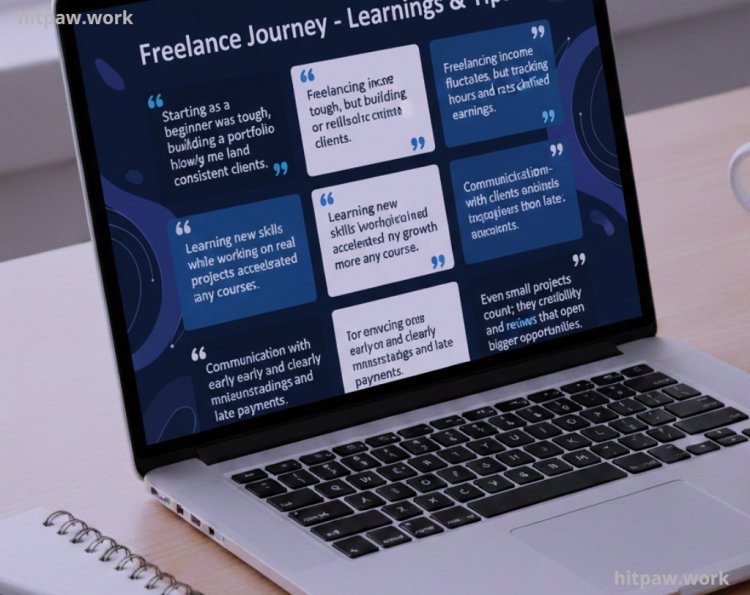
• “Starting as a beginner was tough, but building a portfolio slowly helped me land consistent clients.”
• “Freelancing income fluctuates a lot at first, but tracking hours and rates clarified my earnings.”
• “Learning new skills while working on real projects accelerated my growth more than any course.”
• “Communication with clients early and clearly prevents misunderstandings and late payments.”
• “Even small projects count; they build credibility and reviews that open bigger opportunities.”
How I Think About Freelancing Income Now
After several months of freelancing, I realized that income isn’t steady at first, and that’s normal. I focus on building a reliable workflow, improving skills, and delivering quality work rather than chasing quick money.
Now, I plan my finances based on a minimum baseline income that covers essentials, and treat extra earnings as growth. I also save a portion of each payment for taxes and slow months.
The key lesson: freelancing income grows gradually, and consistency, reputation, and skill improvement matter far more than expecting instant high earnings.
Tips From My Experience
1. Start Small and Build Gradually Don’t try to take on too many clients at once. Focus on one or two projects to understand the workflow and expectations.
2. Choose the Right Platform I found that some freelancing sites worked better for my niche. Test a few before committing.
3. Set Realistic Rates When starting, I underpriced my services, which attracted clients but undervalued my work. Adjust rates as you gain experience.
4. Communicate Clearly Frequent updates and clarity on deadlines built trust with my clients faster than anything else.
5. Track Your Time I used simple timers to track hours spent on each project. It helped me bill accurately and improve efficiency.
6. Invest in Skills I spent a few hours weekly learning new tools relevant to my freelancing niche. It paid off in better projects and higher rates.
7. Organize Your Workspace Even a small desk with minimal distractions improved my productivity dramatically.
Frequently Asked Questions
1. How long does it usually take to earn your first money as a freelancer?
From my experience, it typically takes 2 to 4 weeks of consistent applications and proposals to earn the first $50 to $100. Patience is key at the start.
2. Can beginners realistically earn $500 in the first month?
It’s possible but uncommon. Most beginners earn $100 to $300 in their first month, depending on effort, niche, and proposal quality.
3. Which freelancing skills generate faster income for beginners?
Skills like writing, graphic design, data entry, social media management, transcription, and basic web design tend to produce faster early earnings.
4. Do I need prior professional experience to start freelancing?
No. I started with zero professional clients, creating small sample projects and offering beginner friendly services. A focused portfolio works wonders.
5. How can I speed up earning as a freelancer?
o Focus on high demand services.
o Submit personalized proposals.
o Build repeat clients.
o Continuously upgrade your skills.
From my experience, consistent effort beats shortcuts.
6. Is freelancing income steady from the beginning?
No. Expect fluctuations in the first 3 to 6 months. Diversifying clients and services gradually stabilizes your earnings.
7. Do all freelancing platforms work the same?
Not exactly. Upwork, Fiverr, Freelancer.com have different rules, fees, and audience types. I found it effective to focus on 1 to 2 platforms first, then expand.
8. How many hours a week should I invest to see results?
From my experience, 15 to 20 hours per week consistently was enough to get my first earnings and start building reviews. More hours can accelerate growth, but focus on quality applications over quantity.
9. Do I need a portfolio to start?
Yes. Even a small portfolio with sample projects or mock work can significantly increase response rates. I created mine using Canva for design and Google Docs for writing.
10. Can freelancing replace a full time job immediately?
Rarely. In the beginning, freelancing is usually supplemental income. Over time, as skills, client base, and rates improve, it can become a full time career.
What's Your Reaction?