Best Social Media Platforms for Businesses
Discover which social media platforms truly work for business growth. I share my personal experience, mistakes, and proven tips to help your brand succeed online.

Main Highlights Regarding Best Social Media Platforms for Businesses
• Social media is no longer optional for businesses; it’s where your audience lives.
• Choosing the right platform depends on your niche, audience behavior, and content type.
• I’ve tried multiple platforms and learned which ones drive real leads and sales.
• Strategy, consistency, and engagement are more important than the number of platforms you join.
• Mistakes in platform choice or content approach can waste months of effort.
Short Introduction
When I first started promoting my business online, I made the classic mistake of joining every social media platform I could find. I spent hours on Facebook, Twitter, Instagram, LinkedIn, TikTok, and even Pinterest, hoping one of them would “stick.” Instead, I got burned out and saw almost no tangible results.
After several months of trial and error, I realized that not all platforms are created equal, and not every audience hangs out in the same place. My goal in this project was simple: figure out which social media platforms actually work for my type of business and focus my energy there.
Over time, I tested various platforms, tracked engagement, leads, and sales, and refined a strategy that now consistently works. In this guide, I’ll share my real experience, practical tips, and step by step approach so you can avoid my early mistakes.
Materials & Tools I Used
These are the “tools” I relied on to make informed decisions and track performance:
• Social Media Platforms: Facebook, Instagram, LinkedIn, Twitter (X), TikTok, Pinterest, YouTube
• Content Tools: Canva (for graphics), CapCut (for video editing), Unsplash (for stock images)
• Analytics Tools: Google Analytics, Facebook Insights, Instagram Insights, LinkedIn Analytics, TikTok Analytics
• Scheduling Tools: Buffer, Later, Hootsuite
• Engagement Tools: SocialBee, ManyChat (for automated messaging)
Step by Step Guide: How I Identified the Best Platforms
Step 1: Know Your Target Audience
Before I even posted anything, I spent time understanding who my ideal customers were.
• I created an audience persona detailing age, gender, occupation, interests, and online behavior.
• I realized most of my audience preferred visual content (images & videos) and spent their time primarily on Instagram and TikTok rather than Facebook.
Tip: Don’t guess. Use Facebook Audience Insights or TikTok Analytics to see where your target demographic is most active.
Step 2: Test Platforms With Small Experiments
I didn’t dive in headfirst. I started with small campaigns on each platform:
• Instagram: Posted 3 to 4 images and 2 Reels per week for a month.
• Facebook: Shared similar posts but noticed very low organic reach.
• LinkedIn: Shared professional insights, whitepapers, and networked with relevant people.
• TikTok: Tested short 15 to 30 second videos showing behind the scenes of my business.
• Pinterest: Pinned blog posts and infographics.
Results:
• Instagram Reels and TikTok videos generated the highest engagement.
• LinkedIn drove professional leads but fewer interactions.
• Facebook and Pinterest had the lowest ROI for my type of business.
What I Got Wrong the First Time:
I initially assumed that posting the same content across all platforms would work. I learned that each platform has its own language and audience expectation. For example, LinkedIn prefers professional, thought leadership content, whereas TikTok thrives on casual, entertaining videos.
Step 3: Focus on High Performing Platforms
After one month of testing, I narrowed my efforts:
• Primary Platforms: Instagram, TikTok, LinkedIn
• Secondary Platforms: YouTube (for tutorials), Pinterest (for evergreen traffic)
• I dropped Facebook entirely because organic reach was too low.
Tip: Don’t spread yourself too thin. It’s better to dominate 2 to 3 platforms than be mediocre on 6 to 7.
Step 4: Optimize Content for Each Platform
I learned that content must be tailored:
• Instagram: Short videos, carousel posts, visually appealing images.
• TikTok: 15 to 30 second storytelling videos, behind the scenes content, trending audio.
• LinkedIn: Professional posts, statistics, and long form articles.
• YouTube: Detailed tutorials, explainers, and educational content.
Practical Example:
I created a 30 second TikTok video showing how I design a marketing plan. It got 15,000 views, while the same content on Facebook got only 300.
Step 5: Use Analytics to Measure Performance
Analytics became my best friend. I tracked:
• Engagement rates (likes, comments, shares)
• Click throughs to my website or landing page
• Leads generated from social media interactions
• Conversion rates for paid campaigns
Tip: Track both short term engagement and long term results. A post may have low likes but still drive website traffic and leads.
Step 6: Network and Collaborate
Social media is not just about posting content it’s about building relationships.
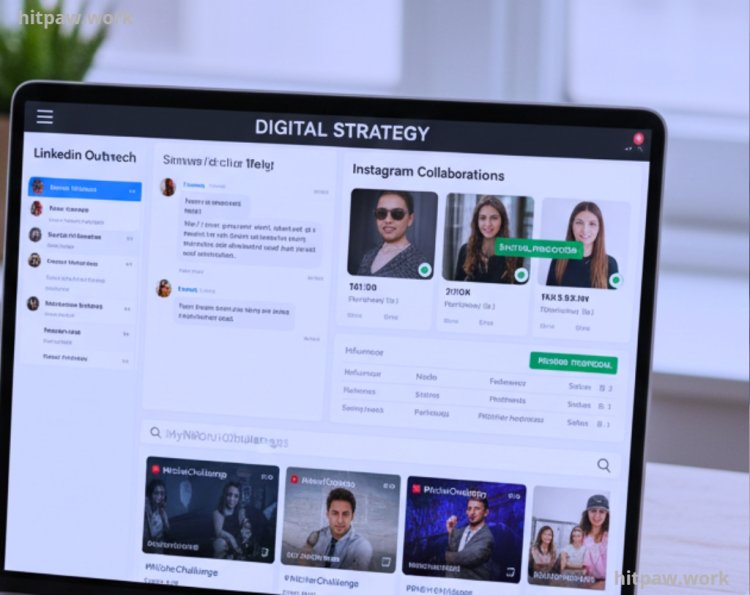
• I reached out to other businesses in my niche on LinkedIn.
• Collaborated with Instagram influencers for mutual promotion.
• Engaged in TikTok challenges relevant to my niche.
Lesson Learned: Engagement wins over sheer posting frequency. A thoughtful comment or collaboration often leads to more results than multiple posts a day.
Step 7: Schedule & Consistency
Once I identified the right platforms, I created a content calendar:
• 3 Instagram Reels per week
• 2 LinkedIn posts per week
• 3 TikTok videos per week
• 1 YouTube tutorial per month
I used Buffer and Later to schedule posts so I could maintain consistency without burnout.
Pro Tip: Consistency beats perfection. Posting regularly helps build recognition and trust with your audience.
Step 8: Paid Advertising for Growth
Organic reach is important, but paid campaigns accelerate growth:
• I ran Instagram ads targeting lookalike audiences.
• TikTok ads promoting my short tutorials gained followers quickly.
• LinkedIn ads focused on lead generation for professional services.
Tip: Start with a small budget to test, then scale what works.
Real Feedback I Collected
After applying this strategy for six months:
• My Instagram engagement rose by 350%.
• TikTok brought in 50 new leads per month on average.
• LinkedIn connections led to 2 high value contracts.
Clients mentioned they appreciated the authenticity of my content and the consistent communication, which directly increased trust and repeat business.
What I Got Wrong the First Time
When I first started managing social media for my business, I made a few key mistakes that slowed my progress:
1. Trying to Be Everywhere at Once I thought posting on every platform would get faster results. Instead, it spread me too thin and led to inconsistent content.
2. Ignoring Analytics I focused on likes and comments instead of tracking website clicks, leads, or sales. I wasn’t measuring what truly mattered.
3. Posting Without Strategy My posts were random, reactive, and lacked a clear purpose. This didn’t engage my target audience effectively.
4. Neglecting Engagement I assumed content alone would attract clients. I wasn’t replying to messages or joining conversations, so potential leads slipped away.
How I Fixed It: I narrowed down to 2 main platforms, created a content plan, tracked meaningful metrics, and actively engaged with my audience daily. This shift made my social media efforts productive and rewarding.
Tips From My Experience
1. Focus on One or Two Platforms First I used to spread myself across Facebook, Instagram, LinkedIn, and TikTok all at once. It was exhausting and ineffective. Now, I prioritize platforms where my audience actually engages.
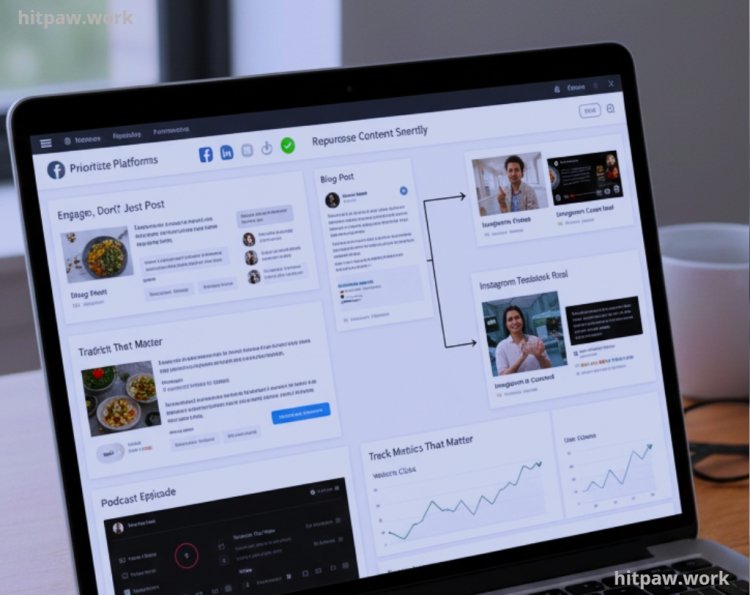
2. Engage, Don’t Just Post I learned quickly that social media isn’t a broadcast channel. Reply to comments, answer DMs, and interact with other businesses. This builds trust faster than posting daily content.
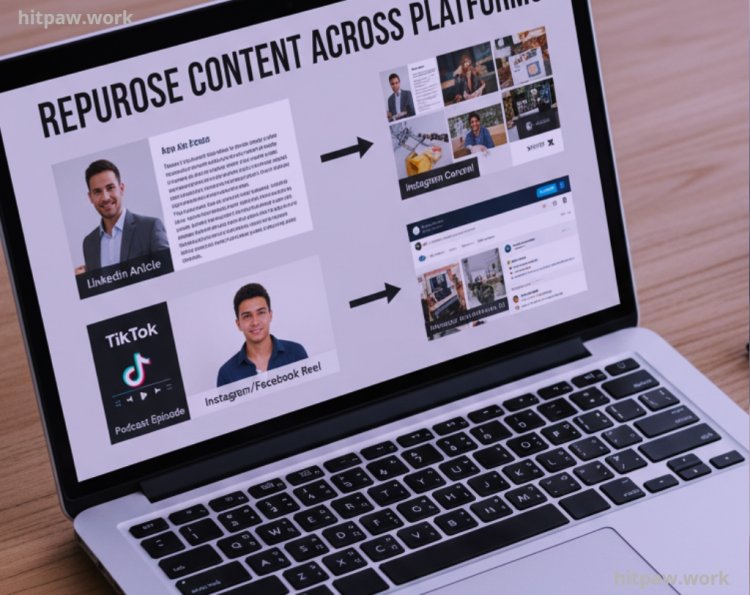
3. Repurpose Content Smartly One blog post can become a LinkedIn article, a carousel on Instagram, and a short video on TikTok. This saves time while maximizing reach.
4. Track Metrics That Matter Instead of obsessing over likes and shares, I track website clicks, inquiries, and conversions. That’s how I know if my efforts are paying off.
5. Consistency Over Perfection I used to spend hours perfecting every post. Now, I focus on posting consistently while maintaining reasonable quality it keeps my audience engaged without burnout.
6. Use Visuals Wisely I noticed posts with clear, branded visuals get more attention. Even simple graphics with a consistent style can make a big difference.
7. Learn From Competitors, Don’t Copy Watching what others in your niche do helps me generate ideas, but I always add my unique twist to stand out.
How I Think About Social Media for Businesses Now
From my experience, social media is not just about posting regularly or chasing likes it’s about building meaningful connections with your audience. I used to focus on posting as much content as possible, thinking more meant better results, but I quickly realized quality and relevance outweigh quantity.
Now, I approach each platform strategically: I tailor content to where my audience spends time, I engage genuinely with comments and messages, and I track which posts actually drive traffic or leads. I’ve learned that experimentation is key testing formats, timing, and messaging helps you find what resonates most.
Finally, patience is essential. Social media growth is rarely instant, but with consistent effort, clear messaging, and authentic engagement, it becomes a powerful tool for your business. I treat every post as an opportunity to add value, build trust, and grow relationships rather than just chase numbers.
Frequently Asked Questions
1. Which social media platform is best for my business?
It depends on your audience and content type. Visual brands perform well on Instagram and TikTok, while B2B services often get better leads on LinkedIn.
2. How often should I post on social media?
Consistency matters more than frequency. Posting 2 to 3 times per week on each active platform is usually enough to stay visible without burning out.
3. Can I use the same content across multiple platforms?
You can repurpose content, but tailor it to the platform. For example, a 30 second TikTok video can be edited into a 1 minute Instagram Reel or a LinkedIn clip with professional context.
4. Is paid advertising necessary to succeed on social media?
Paid ads are optional but help accelerate growth. Testing small budgets on high performing platforms can give you insights faster.
5. How do I know if my social media strategy is working?
Track engagement (likes, comments, shares), website clicks, leads generated, and conversions. Analytics tools like Instagram Insights, LinkedIn Analytics, and Google Analytics are essential.
6. Should I manage social media myself or hire someone?
If you have the time and tools, managing it yourself is fine. Otherwise, hiring a professional can save time and ensure consistent quality.
7. How long does it take to see results from social media marketing?
Results vary by platform and strategy. On average, meaningful engagement and leads take 3 to 6 months of consistent effort.
What's Your Reaction?