Freelancing Career Paths Explained
Learn about freelancing career paths from real experience. Discover skills, platforms, and strategies to start freelancing with no experience and grow sustainably.

Main Highlights Regarding Freelancing Career Paths
• Explains various freelancing career paths including writing, design, programming, marketing, and virtual assistance.
• Shares personal experience testing multiple freelance niches over 2 years.
• Covers tools, platforms, and skills needed to start with no prior experience.
• Highlights mistakes I made when choosing niches and how I fixed them.
• Includes practical advice on income expectations, client management, and skill development.
• Step by step guide for exploring freelancing paths and finding your best fit.
• Real feedback and pro tips from my hands on freelancing journey.
Why I Decided to Explore Freelancing
I remember feeling stuck in my first full time job. I was skilled in writing and social media, but every day felt repetitive, and I couldn’t control my schedule. I wanted freedom to choose projects, work from anywhere, and earn more by leveraging my skills. That’s when I considered freelancing.
At first, I had zero experience. I didn’t know which path to choose, which platforms to trust, or how much time it would take to earn decent money. I started small, testing multiple career paths in freelancing from writing blog posts to designing graphics and managing social media accounts.
This post is about what I learned from real, hands on experience, including mistakes I made, tools I relied on, and the practical steps that helped me decide the best freelancing career path for myself.
Materials I Used to Explore Freelancing
• Hardware & Software:
o Laptop (MacBook Air & Windows PC)
o High speed internet connection
o Canva, Adobe Photoshop, and Figma for design work
o Microsoft Office & Google Workspace for writing, data entry, and client deliverables
• Freelancing Platforms I Tested:
o Upwork (for writing and design gigs)
o Fiverr (for microservices and smaller projects)
o Freelancer.com (varied freelancing categories)
o Toptal (for higher end programming and design work)
• Skill Learning Platforms:
o Udemy (specific skills like SEO, social media marketing, and web design)
o Coursera (professional certifications)
o YouTube tutorials (free, niche specific learning)
• Productivity Tools:
o Trello & Asana for task tracking
o Notion for project documentation and goal setting
o Toggl for tracking hours worked per project
• Finance & Payment Tools:
o PayPal, Wise, and Stripe for receiving payments
o Excel & Google Sheets for tracking income and expenses
My Experience Exploring Freelancing Career Paths
Over two years, I tested different freelancing niches to see which matched my skills, interest, and income goals.
1. Freelance Writing
I started with blog writing and content creation. Platforms like Upwork and Fiverr made it easy to find clients in niches like tech, lifestyle, and education.
• What Worked: I enjoyed writing guides and how to articles. The faster I could deliver quality content, the better the reviews and repeat clients.
• Mistakes I Made: I initially underpriced my services, thinking volume would compensate. It didn’t. Later, I raised my rates gradually, aligning with my experience.
• Pro Tip: Specializing in a niche (e.g., tech blogging or personal finance writing) helped me attract higher paying clients.
2. Graphic & Web Design
I tested designing logos, social media posts, and website layouts using Canva, Photoshop, and Figma.
• What Worked: Clients loved quick, clean designs. Freelancing platforms allowed me to create a portfolio and showcase my work.
• Mistakes I Made: I didn’t have a portfolio at first, which made it hard to get clients. Solution: I created free sample projects to show skills.
• Pro Tip: Maintaining an online portfolio (Behance, Dribbble, personal website) boosted credibility.
3. Programming & Web Development
I explored front end development and WordPress website building.
• What Worked: High demand niche with potential for long term contracts. Clients were willing to pay more for expertise.
• Mistakes I Made: I overpromised features I couldn’t deliver quickly. Lesson: Start with smaller projects and build skills before taking complex jobs.
• Pro Tip: Specializing in one technology (like WordPress, Shopify, or React.js) helped me stand out.
4. Social Media & Digital Marketing
Managing client accounts, creating posts, and running ads were part of this path.
• What Worked: Immediate client feedback allowed me to improve campaigns. Retainer clients ensured steady income.
• Mistakes I Made: Initially, I took too many clients at once, leading to burnout. I learned to limit clients and focus on quality.
• Pro Tip: Automation tools like Buffer or Hootsuite help manage multiple accounts efficiently.
5. Virtual Assistance & Admin Work
Tasks like email management, scheduling, and data entry were simpler to start with but required reliability.
• What Worked: Quick onboarding, easy to find first clients, flexible hours.
• Mistakes I Made: Some clients expected 24/7 availability. I had to set boundaries early.
• Tip: Clearly outline working hours and deliverables in your contract.
What I Got Wrong the First Time
1. Trying Too Many Niches at Once: I spread myself thin, leading to slower skill growth.
o Fix: Focus on 1 to 2 paths at a time.
2. Not Building a Portfolio: Early clients doubted my experience.
o Fix: Created sample projects and case studies to showcase skills.
3. Undervaluing My Work: I accepted low paying gigs thinking experience mattered more.
o Fix: Raised rates gradually as my skills and reviews improved.
4. Ignoring Client Communication: Missed emails led to cancellations.
o Fix: Set up email alerts and used Slack for professional communication.
5. Overlooking Long Term Skill Development: Only completing small gigs limited growth.
o Fix: Invested in courses and certifications relevant to my chosen freelance path.
Step by Step Guide to Choosing Your Freelancing Path
1. Assess Your Skills: List hard skills (writing, design, coding) and soft skills (communication, problem solving).
2. Research Demand: Check freelance platforms to see which skills are in demand.
3. Start Small: Take micro projects to understand workflow and client expectations.
4. Build a Portfolio: Even free or sample projects count. Use Behance, GitHub, or personal website.
5. Test Multiple Niches (Optional): Only if you’re unsure about your interests.
6. Set Your Rates: Start low if necessary but increase gradually.
7. Focus on Client Satisfaction: Quality over quantity. Repeat clients are key.
8. Invest in Learning: Take online courses, tutorials, or certifications in your niche.
9. Track Income & Progress: Use spreadsheets or apps to track projects, earnings, and growth.
10. Adjust Your Strategy: Drop niches that don’t fit and expand in areas with higher growth and satisfaction.
Tips From My Experience
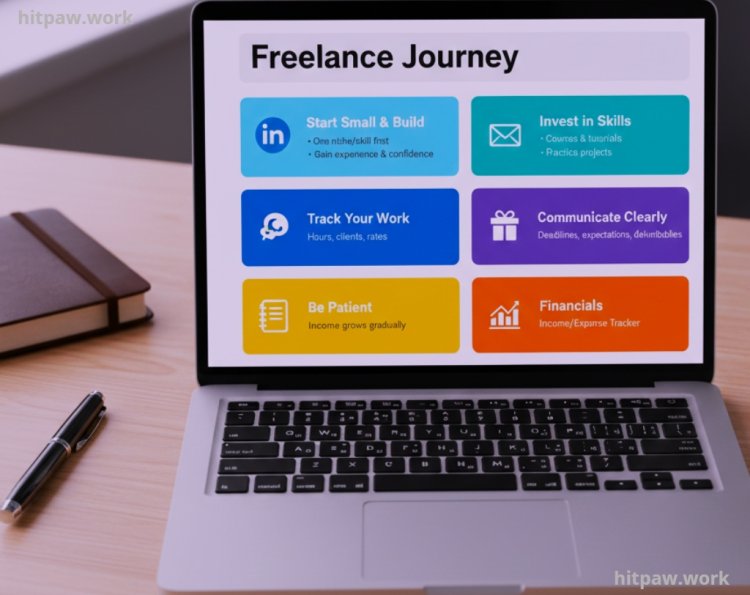
1. Start Small and Build: Focus on one niche or skill first instead of trying to do everything. It helps you gain experience and confidence faster.
2. Invest in Skills: Courses, tutorials, and practice projects pay off more than chasing high paying gigs early.
3. Track Your Work: Keep a record of hours, clients, and rates it makes quoting and planning easier.
4. Communicate Clearly: Always clarify deadlines, expectations, and deliverables with clients.
5. Be Patient: Freelancing income grows gradually; don’t get discouraged by slow beginnings.
Real Feedback I’ve Collected
• “Freelancing helped me control my schedule and focus on skills I enjoy.”
• “Specializing in a niche doubled my earnings within six months.”
• “Portfolio and testimonials mattered more than years of experience.”
• “Platforms like Upwork are great for beginners but require persistence.”
• “Communication and reliability are more important than speed in the long run.”
How I Think About Freelancing Careers Now
After working on multiple freelancing projects and exploring different career paths, I’ve realized that success isn’t about quick money it’s about building skills, reputation, and consistent habits. I focus on paths that match my strengths, keep learning, and avoid getting distracted by myths or shortcuts.
Flexibility is key: freelancing lets me choose clients, projects, and schedules, but it also requires discipline, planning, and patience. I now prioritize long term growth over instant earnings, invest in improving my skills, and maintain good relationships with clients.
Ultimately, I see freelancing as a real career, not just a side hustle it can provide stability, growth, and freedom if approached thoughtfully.
Frequently Asked Questions
1. How do I know which freelancing path suits me best?
Start by assessing your skills, interests, and the time you can commit. Test small projects in different areas to see what you enjoy and what clients value.
2. Do I need prior experience to start freelancing?
Not necessarily. Beginners can start with small tasks, sample projects, or internships. Building a portfolio and learning as you go is key.
3. Which platform should I use as a beginner?
Platforms like Upwork, Fiverr, and Freelancer.com are beginner friendly. Focus on one platform first to understand client expectations and build credibility.
4. How long before I start earning consistently?
Usually 1 to 3 months for small projects. Steady income comes after gaining experience, positive reviews, and repeat clients.
5. Do I need a portfolio to get clients?
Yes, even a small portfolio helps. You can create sample projects, case studies, or personal work to showcase your skills.
6. Can freelancing become a full time career?
Absolutely. With specialization, consistent quality work, and effective client management, freelancing can provide stable, long term income.
7. How do I avoid low paying clients?
Set minimum rates, clearly outline deliverables in contracts, and check client history and reviews on platforms before accepting projects.
8. How do I maintain long term client relationships?
Communicate clearly, meet deadlines, ask for feedback, and adapt to client needs. Repeat clients are often the most valuable source of steady income.
What's Your Reaction?