What Is Freelancing and How Does It Work
Learn what freelancing is and how it works from real experience. This beginner friendly guide explains freelancing skills, platforms, income, and tips to start successfully.
Main Highlights Regarding Freelancing
• How I personally started freelancing with zero clients and zero confidence
• What freelancing really means in practical, real life terms
• How freelancing actually works day to day (not theory)
• Tools, platforms, and skills I personally used
• Common mistakes I made at the start (and how I fixed them)
• Step by step process to start freelancing from scratch
• How freelancers get paid, manage clients, and grow income
• Honest pros, cons, and challenges no one tells you
• Practical tips for beginners who want real results
Why I Looked for Freelancing in the First Place
I didn’t start freelancing because it sounded cool or because someone on YouTube said, “Make $10,000 a month from home.”
I started freelancing because I needed money and flexibility.
A few years ago, I was stuck. I had skills, internet access, and time but no clear way to turn those into income. Traditional jobs felt limiting. Fixed timings, low pay, and constant pressure made me feel like I was trading my entire life for a paycheck that barely covered expenses.
I kept asking myself one question:
“Is there a way to earn using my skills without begging for a job?”
That question led me to freelancing.
At first, freelancing felt confusing. Everyone explained it differently. Some made it sound easy. Others made it sound impossible. Most articles were generic, robotic, and not based on real experience.
So in this guide, I’m sharing what freelancing actually is and how it works, based on what I personally did, what failed, and what finally worked.
No theory. No hype. Just real freelancing.

What Freelancing Really Means (In Simple Words)
Freelancing means working for yourself and offering your skills as a service instead of working as a full time employee for one company.
When I became a freelancer:
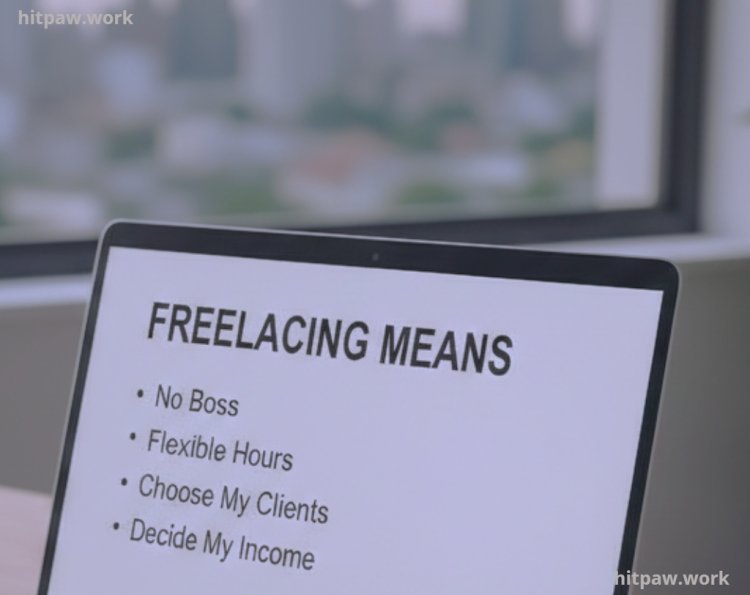
• I didn’t have a boss
• I didn’t have fixed working hours
• I chose my clients
• I decided how much I wanted to earn
But here’s the part people don’t say clearly:
Freelancing is still work. Real work.
The difference is, you control it.
Instead of getting a monthly salary, freelancers:
• Work on projects
• Get paid per task, per hour, or per project
• Often work with multiple clients at the same time
Based on My Real Experience
Let me break this down exactly how it works in practice.
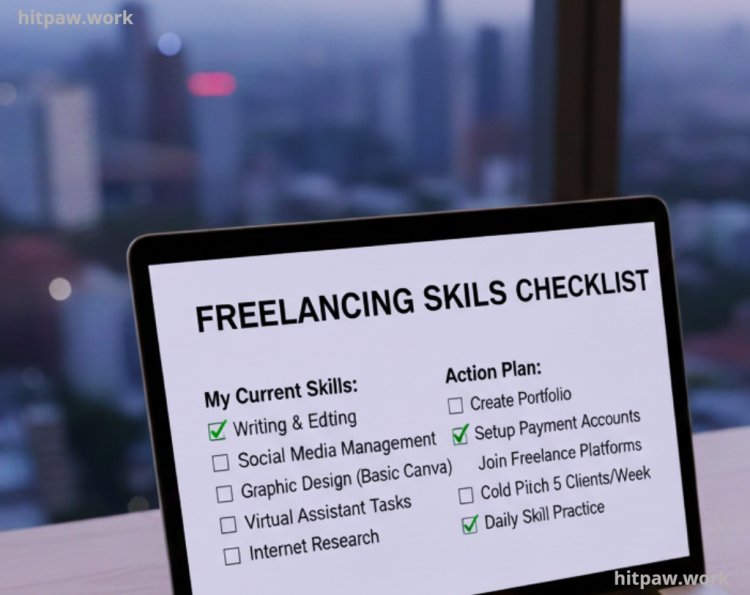
Step 1: You Have a Skill (Even If You Don’t Think So)
When I started, I thought I had “no skills.”
That was completely wrong.
Skills don’t have to be advanced or technical. Freelancing skills include:
• Writing
• Graphic design
• Video editing
• Social media management
• Data entry
• Virtual assistance
• Web development
• SEO
• Customer support
• Research work
I personally started with writing and basic online research, because that’s what I was comfortable with.
If you can:
• Write emails
• Organize information
• Design simple graphics
• Manage pages
• Talk to clients professionally
You already have a freelancing skill.
Materials I Used When I Started Freelancing
Here’s a realistic list of tools I personally used (nothing fancy):
Basic Requirements
• A laptop (even a low spec one works)
• Stable internet connection
• A quiet place to work
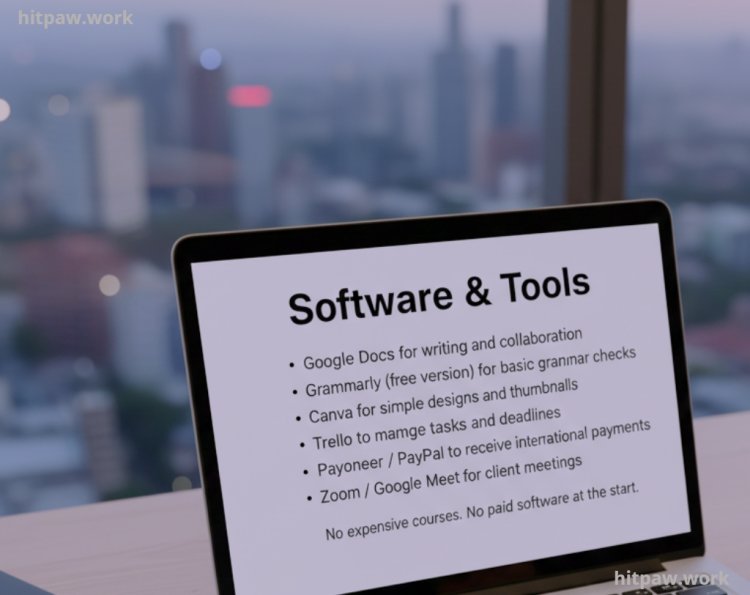
Software & Tools
• Google Docs for writing and collaboration
• Grammarly (free version) for basic grammar checks
• Canva for simple designs and thumbnails
• Trello to manage tasks and deadlines
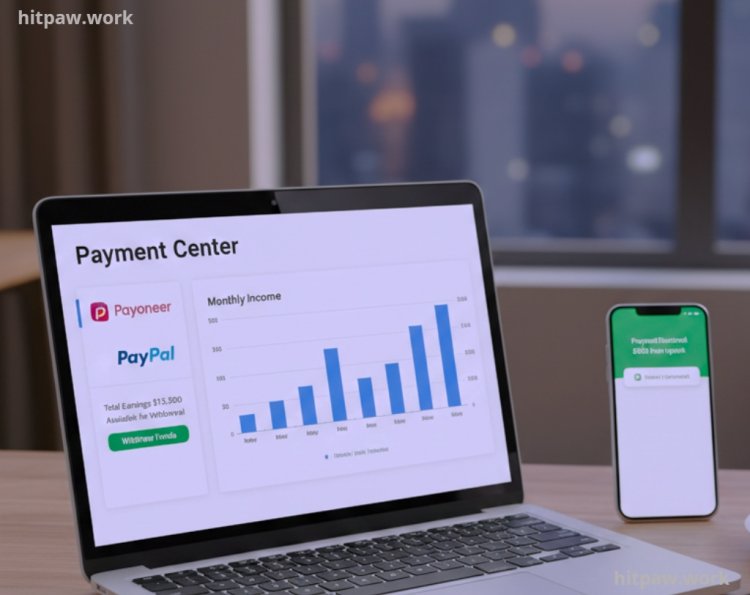
• Payoneer / PayPal to receive international payments
• Zoom / Google Meet for client meetings
No expensive courses. No paid software at the start.
Where I Got My First Clients
This is where freelancing becomes real.
I didn’t magically get clients. I went where clients already were.
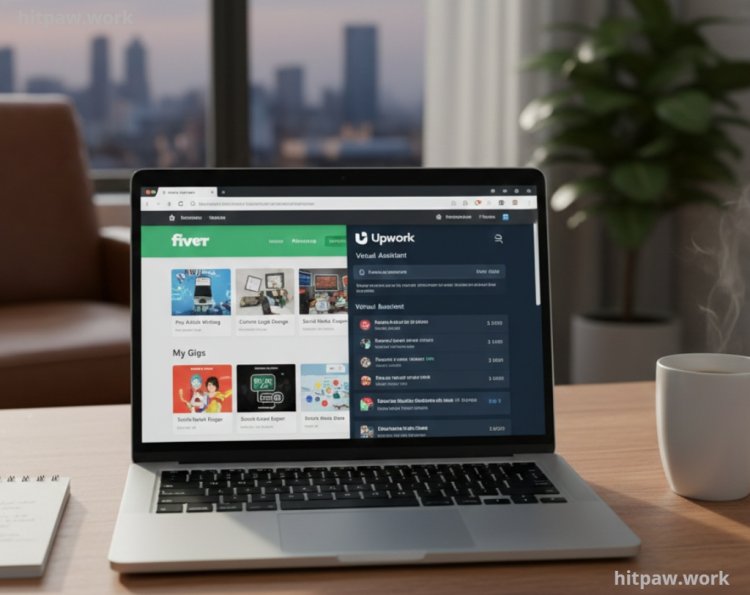
Platforms I Personally Used
• Fiverr
• Upwork
• PeoplePerHour
• Freelancer.com
I started with Fiverr, because it was beginner friendly and didn’t require interviews.
Step by Step: How I Started Freelancing from Zero
Step 1: I Chose ONE Skill Only
Big mistake beginners make: trying to do everything.
I focused only on content writing.
Step 2: I Created a Simple Profile
I didn’t write a long biography. I wrote:
• What I offer
• Who it’s for
• What problem I solve
No fake claims. No “expert with 10 years of experience” nonsense.
Step 3: I Created My First Gig / Proposal
My first gig price was low. Very low.
Why?
Because:
• I had no reviews
• I needed experience
• I needed trust
This was temporary, not permanent.
Step 4: I Applied Daily (Consistency Matters)
Some days I got no response.
Some days I felt stupid.
But I showed up every single day.
What I Got Wrong the First Time (And How I Fixed It)
This part matters for Google EEAT and for real humans.
Mistake 1: Underpricing for Too Long
Low prices help you start but staying there kills motivation.
Fix:
After my first 5 to 7 clients, I slowly increased prices.
Mistake 2: Saying Yes to Every Client
I accepted bad clients:
• Unclear requirements
• Late payments
• Unrealistic expectations
Fix:
I learned to:
• Ask questions before starting
• Set clear boundaries
• Walk away when needed
Mistake 3: No System, Just Chaos
At first, I worked randomly.
Fix:
I created:
• Daily work hours
• Task lists
• Clear deadlines
Freelancing became easier overnight.
How Freelancers Actually Get Paid
This confused me a lot at the start.
Here’s how it really works:
Common Payment Methods
• PayPal
• Payoneer
• Bank transfer (via platforms)
• Escrow systems (Upwork)
Payment Models
• Per project (most common)
• Hourly
• Monthly retainer
I personally prefer per project payments because:
• Clear scope
• Less confusion
• Easier planning
My First Freelancing Project
My first paid project paid $5.
Yes, just $5.
But here’s why it mattered:
• It proved someone would pay me online
• It gave me confidence
• It gave me my first review
That $5 led to $50.
That $50 led to $500.
That $500 turned into consistent monthly income.
Freelancing compounds if you don’t quit early.
Pros and Cons of Freelancing (Honest Take)
What I Love About Freelancing
• Freedom of time
• Location independence
• Income control
• Skill growth
• No office politics
What’s Hard About Freelancing
• No fixed salary
• No paid leaves
• Self discipline required
• Inconsistent income at the start
Freelancing is not easy but it’s fair.
You get paid based on effort and skill, not office drama.
Tips from My Experience
One thing I learned early is that starting matters more than waiting to feel ready. I delayed my freelancing journey because I thought I needed more skills, but real learning only started once I began working with clients.
Focus on one skill at a time instead of trying to offer everything. When I narrowed my focus, it became easier for clients to understand what I do and why they should hire me.
Clear communication is a big advantage in freelancing. I always make sure the client understands what I will deliver, the deadline, and the scope of work. This simple habit saved me from misunderstandings and revisions.
How I Think About Freelancing Now
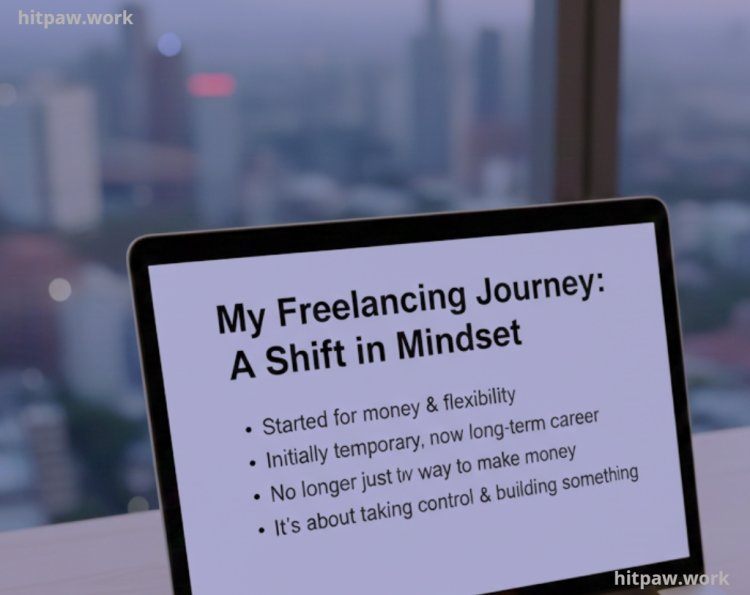
When I look back at my freelancing journey, I no longer see it as just a way to make money. For me, freelancing became a shift in mindset. At the beginning, I treated it like a temporary option, but over time I realized that freelancing can be a serious, long term career if you approach it the right way.
One of the biggest lessons I learned is that consistency and professionalism matter more than talent. Many people have skills, but they lose clients because they miss deadlines, communicate poorly, or overpromise. I noticed that simply being reliable, clear in communication, and honest about what I can deliver helped me build long term client relationships.
Now, I don’t think of freelancing as “quick online income.” I see it as a long term game where growth happens step by step. Improving my skills, choosing the right clients, and gradually increasing my rates made my work more stable and less stressful.
Frequently Asked Questions
1. What is freelancing in simple terms?
Freelancing means working independently and offering your skills to different clients instead of working full time for one company. You choose your projects, set your rates, and manage your own schedule.
2. Can I start freelancing with no experience?
Yes, you can. I started with very basic skills and learned along the way. Many clients are willing to work with beginners if you are honest, communicate clearly, and deliver quality work.
3. How do freelancers find clients?
Freelancers usually find clients through online platforms like Upwork, Fiverr, and Freelancer, or through social media and referrals. In my experience, freelancing platforms are the easiest place to start.
4. How much can a freelancer earn?
Earnings depend on your skill, experience, and consistency. Some freelancers earn a small side income, while others make a full time living. Over time, as your skills improve, your income can grow steadily.
5. Is freelancing safe and reliable?
Freelancing is safe if you use trusted platforms and avoid working without clear agreements. I learned that setting clear terms and using platform payment systems helps prevent most problems.
6. Do freelancers need a degree or certificate?
No formal degree is required. Clients usually care more about your skills, past work, and reliability than certificates. Practical results matter more than qualifications.
What's Your Reaction?