How to Get Your First Freelance Client
Learn how I landed my first freelance client with zero experience. Step by step strategies, mistakes I made, and practical tips to find and secure freelance clients effectively.

Key Points Regarding Getting Your First Freelance Client
• I share my real life experience landing my first freelance client.
• Covers practical tools, strategies, and outreach methods.
• Includes mistakes I made and lessons learned.
• Step by step guide for beginner freelancers.
• Tips for building credibility and handling your first project.
• FAQs and pro tips based on experience.
Why I Needed My First Client
I remember staring at my empty freelance portfolio, feeling stuck and unsure where to start. I knew I had skills writing, social media, and graphic design but no one was hiring me yet. The fear of not landing that first client kept me in procrastination mode. I tried posting on freelance platforms like Upwork and Fiverr, but the competition was fierce, and I didn’t have any reviews. I realized I needed a strategy outside of platforms to actually land someone willing to pay me for my work. That’s when I shifted my focus to practical outreach, networking, and leveraging personal contacts.
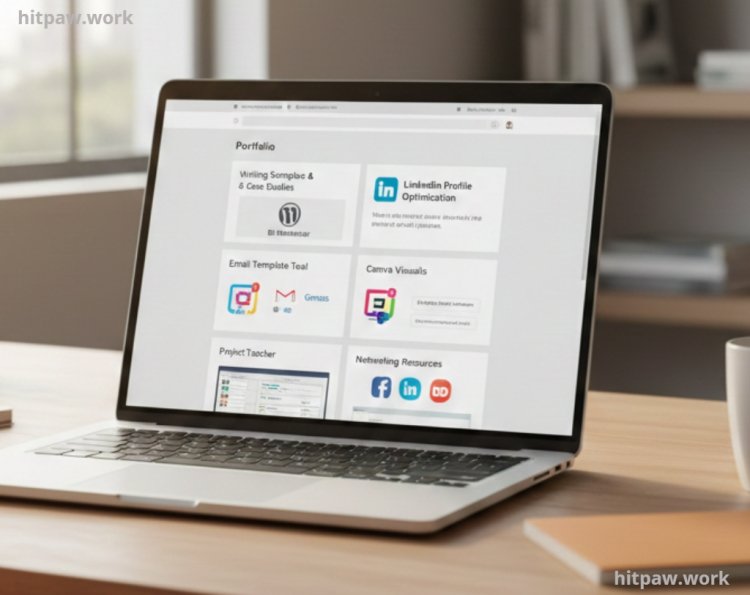
Materials I Used to Land My First Client
• Portfolio Website: I built mine using WordPress with Elementor to showcase writing samples and case studies.
• LinkedIn Profile: Optimized headline, experience, and detailed “About Me” section.
• Email Template Tool: Gmail and Gmass for personalized email campaigns.
• Canva: Created visual portfolio pieces for clients to preview my work.
• Project Tracker: Trello to keep track of leads, responses, and follow ups.
• Networking Resources: Online groups (Facebook, LinkedIn), friends, and local meetups.
My Step by Step Approach to Getting the First Client
Step 1: Identify Your Niche and Skills
Before contacting anyone, I wrote down exactly what services I could confidently offer. For me, this was content writing, social media management, and basic SEO. Defining my niche helped me approach clients with a clear value proposition instead of “I do everything.”
Step 2: Build a Basic Portfolio
Even with zero clients, I created sample work:
• Blog posts for imaginary companies.
• Social media content calendars.
• Graphics and branding mockups.
This gave me something tangible to show potential clients.
Step 3: Make a Target Client List
I researched small businesses in my area and online. I looked for companies:
• Without an active blog or weak social media presence.
• Businesses launching new products or services.
• Startups or freelancers themselves needing services like mine.
I compiled 50 prospects in a spreadsheet.
What I Got Wrong the First Time
When I started freelancing, I made a few mistakes that cost me time and confidence:
1. Overpricing or Underpricing: I didn’t know my value and either asked too little or too much, which scared clients away. I fixed this by researching market rates and starting with smaller projects to gain credibility.
2. Not Having a Portfolio: I tried reaching out without showing examples of my work. I quickly created a simple portfolio with personal projects, which helped clients trust me.
3. Ignoring Communication: I underestimated how much clients care about updates. Missing regular check ins caused confusion. Now, I schedule clear updates and keep everything documented.
4. Taking Too Many Projects at Once: I said yes to everything and missed deadlines. I learned to manage workload carefully and focus on quality over quantity.
5. Relying Solely on Platforms: I thought freelancing platforms would provide all my clients. I now also use networking, social media, and referrals to find opportunities.
Step 5: Follow Up
Most replies didn’t come immediately. I followed up after 5 to 7 days. Persistence paid off. One email finally got me a meeting with a local e-commerce store.
Step 6: Handle Your First Meeting
My first client meeting was nerve wracking, but I quickly learned that preparation is everything. I reviewed their project details, drafted questions about scope, deadlines, and expectations, and made notes on possible challenges. During the meeting, I focused on listening more than talking and confirming I understood their needs correctly.
Step 7: Deliver the First Project
When I finally landed my first client, I realized that execution mattered more than anything else. I focused on understanding their requirements fully, clarifying deadlines, and setting realistic expectations. I broke the project into smaller milestones, delivered drafts early for feedback, and made adjustments promptly.
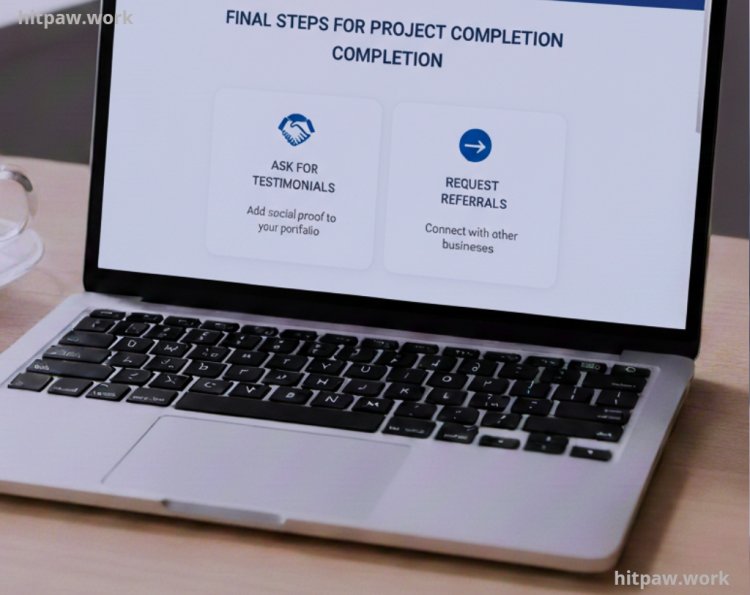
Step 8: Ask for Testimonials and Referrals
After completing the project:
• I asked for a testimonial to add to my portfolio.
• I requested referrals to other businesses.
This first client became the foundation for my growing freelance business.
What I Got Wrong the First Time
When I started freelancing, I made a few mistakes that cost me time and confidence:
1. Overpricing or Underpricing: I didn’t know my value and either asked too little or too much, which scared clients away. I fixed this by researching market rates and starting with smaller projects to gain credibility.
2. Not Having a Portfolio: I tried reaching out without showing examples of my work. I quickly created a simple portfolio with personal projects, which helped clients trust me.
3. Ignoring Communication: I underestimated how much clients care about updates. Missing regular check caused confusion. Now, I schedule clear updates and keep everything documented.
4. Taking Too Many Projects at Once: I said yes to everything and missed deadlines. I learned to manage workload carefully and focus on quality over quantity.
5. Relying Solely on Platforms: I thought freelancing platforms would provide all my clients. I now also use networking, social media, and referrals to find opportunities.
Real Feedback I Received
1. “Working with you was smooth and stress free. You understood the project quickly and delivered on time.”
2. “The quality of your work exceeded my expectations. I’ll definitely hire you again.”
3. “I appreciated your clear communication and professionalism throughout the project.”
4. “Your suggestions added real value to the final outcome. It made a big difference.”
5. “Even as a beginner, your dedication and attention to detail were impressive.”
Collecting feedback like this helped me identify strengths, improve weaknesses, and build trust with future clients.
Tips From My Experience
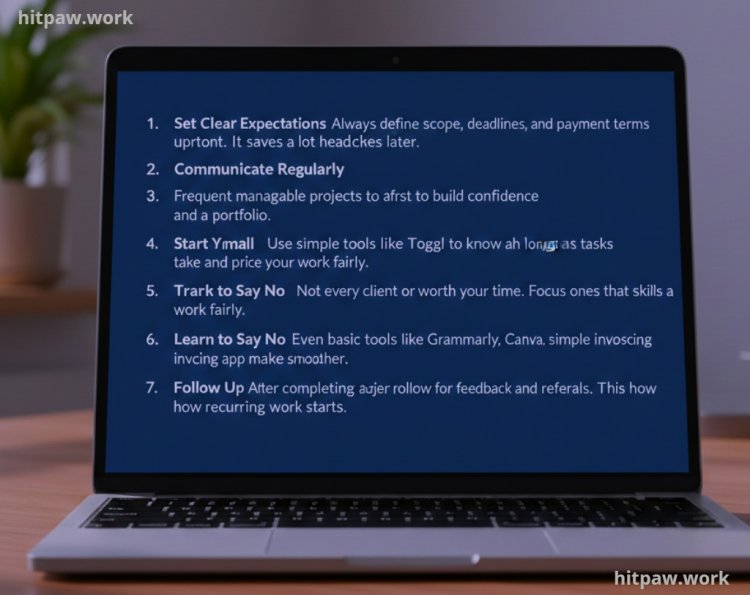
1. Set Clear Expectations Always define scope, deadlines, and payment terms upfront. It saves a lot of headaches later.
2. Communicate Regularly Frequent updates build trust and reduce misunderstandings.
3. Start Small Take on manageable projects at first to build confidence and a portfolio.
4. Track Your Time Use simple tools like Toggl to know how long tasks take and price your work fairly.
5. Learn to Say No Not every client or project is worth your time. Focus on ones that align with your skills and goals.
6. Invest in Tools Even basic tools like Grammarly, Canva, or a simple invoicing app make work smoother.
7. Follow Up After completing a project, follow up for feedback and referrals this is how recurring work starts.
These small practices have helped me maintain professionalism, stay organized, and gradually grow my freelance income without burning out.
How I Think About Freelancing Clients Now
After working with my first few clients, I realized that freelancing isn’t just about finding anyone who will hire you it’s about finding the right clients. I focus on those who respect my time, communicate clearly, and value my work. I’ve learned to set boundaries early, clarify expectations, and be honest about what I can deliver.
Now, I prioritize quality over quantity. A few reliable clients are better than many difficult ones. I also treat every project as a learning opportunity, which helps me build long term relationships and a steady income. Freelancing works best when you balance earning with professionalism, clear communication, and realistic expectations.
Frequently Asked Questions
1. Do I need a large portfolio to get my first client?
Not at all. I started with just a few tailored samples that showed my skills. What matters most is demonstrating how your work can solve a client’s problem. Quality over quantity.
2. How long does it usually take to land the first client?
In my experience, it took about 4 weeks of consistent outreach, but it can vary from 2 to 8 weeks depending on your effort, niche, and networking.
3. Should I offer free work to attract clients?
Small trial projects are okay to build trust, but avoid doing full unpaid work. Instead, offer mini samples or a low cost first project to showcase your value.
4. Can I find clients without using platforms like Upwork or Fiverr?
Absolutely. I found my first client through LinkedIn, personal contacts, and local business outreach. Direct messaging and referrals often bring more reliable leads than crowded platforms.
5. How should I price my first project?
Research the market rate for your skill. Start slightly below average if you lack experience, then adjust as you gain testimonials and credibility. Remember, over delivering is key.
6. How can I maintain a good relationship with my first client?
Communicate clearly, meet deadlines, and ask for feedback. Treat the first project as the beginning of a long term relationship rather than a one off transaction.
What's Your Reaction?