Common Freelancing Myths Beginners Should Ignore
Discover the truth behind common freelancing myths for beginners. Learn from my personal experience, avoid early mistakes, and gain practical tips to start freelancing successfully.

Main Highlights Regarding Freelancing Myths
• I tested freelancing personally for over 2 years to separate myths from reality.
• Covers myths about income, experience, flexibility, skill requirements, and client acquisition.
• Shares mistakes I made and lessons learned.
• Provides step by step guidance for beginners to start freelancing with confidence.
• Practical tips, tools, and resources I used to build a freelancing career.
• Maintenance and productivity habits for long term success.
Why I Started Freelancing
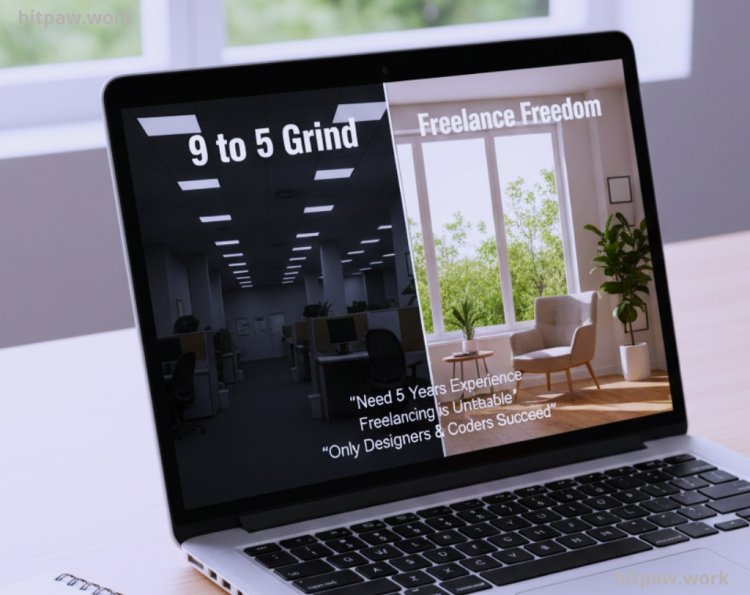
For years, I felt trapped in a traditional 9 to 5 job. I wanted flexibility, extra income, and the chance to work on projects that excited me. But every time I researched freelancing online, I ran into advice that sounded conflicting: “You need 5 years of experience,” “Freelancing is unstable,” or “Only designers and coders can succeed.”
I realized these were myths. I decided to test freelancing myself, starting from zero experience. Over time, I discovered which beliefs were false and which habits truly helped me succeed. This blog shares my firsthand experience so beginners can avoid the same confusion I faced.
Materials I Used to Start Freelancing
• Laptop / Computer: MacBook Air and Windows PC for testing software and platforms.
• High Speed Internet: Essential for communication, file uploads, and video calls.
• Freelancing Platforms: Upwork, Fiverr, Freelancer, and Toptal for job discovery.
• Productivity Tools: Trello for project management, Google Calendar for scheduling, Notion for notes.
• Communication Tools: Zoom, Slack, Gmail, WhatsApp.
• Portfolio Tools: Canva for graphics, Google Drive for sharing documents, Behance for showcasing creative work.
• Learning Resources: Skillshare, YouTube tutorials, Coursera for upskilling in writing, design, and marketing.
My Real Experience With Freelancing Myths
Myth 1: You Must Have Years of Experience to Start
I believed I needed 5+ years of professional experience before freelancing. When I first created my profile, I hesitated to apply to projects because I “wasn’t ready.”
Reality: Beginners can start immediately by offering smaller tasks and building a portfolio. My first $50 project was a simple blog post, and that led to recurring clients. The key is honesty in your profile and focusing on skill demonstration rather than years worked.
Myth 2: Freelancing Is Too Risky
Many people told me freelancing means unstable income. At first, I thought I couldn’t rely on it for bills.
Reality: While income varies, setting multiple small clients and gradually increasing rates creates stability. I combined freelancing with part time work for 3 months until I had enough recurring clients to transition full time. Risk is manageable with planning.
Myth 3: You Need a Special Degree or Skill
I assumed I had to be a designer, coder, or marketer. My background was in general administration.
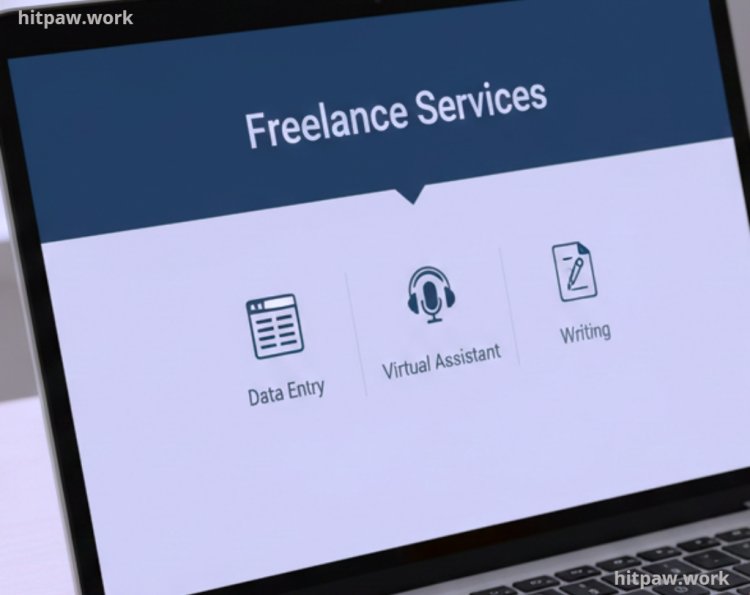
Reality: Freelancing opportunities exist in writing, virtual assistance, data entry, transcription, research, and customer support. I landed my first client doing administrative support tasks. Beginners should identify transferable skills and showcase them.
Myth 4: Freelancing Means Complete Freedom
I imagined working 2 hours a day from home with huge profits. Reality hit when I had deadlines, client feedback, and revisions.
Reality: Freelancing offers flexibility but requires discipline. I learned to set working hours, track tasks, and communicate clearly with clients. Treat it like a real job; the freedom comes after building routines.
Myth 5: Freelancing Platforms Take All the Work
I thought joining Upwork or Fiverr would automatically bring clients.
Reality: You need to actively submit proposals, maintain your profile, and build trust. I initially sent only 5 proposals a week and got rejected. After studying successful proposals, I increased quality and frequency, leading to my first steady client.
What I Got Wrong the First Time
1. Applying for Jobs Beyond My Skill Level
o Mistake: Tried to bid for advanced projects I couldn’t deliver.
o Fix: Start small, gain experience, then scale up.
2. Neglecting a Portfolio
o Mistake: No samples, no visibility.
o Fix: Created sample projects, shared documents and designs, built trust quickly.
3. Ignoring Contracts & Agreements
o Mistake: Accepted verbal agreements, lost payment once.
o Fix: Always formalize projects with scope, payment terms, and deadlines.
4. Poor Time Management
o Mistake: Missed deadlines due to poor scheduling.
o Fix: Used Trello and Google Calendar to track tasks efficiently.
5. Undervaluing My Work
o Mistake: Offered $5 to $10 projects thinking I was a beginner.
o Fix: Increased rates gradually after completing projects and gaining positive reviews.
Step by Step Guide to Starting Freelancing With No Experience
Step 1: Identify your skills
• List tasks you can confidently perform (writing, design, data entry, virtual assistance).
Step 2: Choose a platform
• Start with Fiverr or Upwork for beginners, or use local Facebook/LinkedIn groups for small gigs.
Step 3: Create a strong profile
• Write a clear, honest description of your skills. Include portfolio samples or personal projects.
Step 4: Submit targeted proposals
• Focus on jobs you can deliver well. Personalize every proposal to the client’s project.
Step 5: Start small
• Take manageable projects. Deliver high quality work to build reviews.
Step 6: Collect feedback
• Ask clients for reviews. Positive feedback improves visibility and trust.
Step 7: Track your time and income
• Use tools like Toggl or Clockify to manage workflow efficiently.
Step 8: Upskill gradually
• Take online courses to expand your services and increase rates.
Step 9: Build relationships
• Repeat clients are key to stable income. Communication and reliability matter most.
Step 10: Plan long term
• Set financial goals, diversify clients, and create a schedule that balances work and life.
Tips From My Experience
1. Start Small: Take on small projects first to build confidence and gather client reviews. I began with simple data entry tasks before moving to writing and design.
2. Focus on One Skill at a Time: Don’t try to master everything at once. I concentrated on writing and gradually added editing and content planning to my portfolio.
3. Create a Portfolio Early: Even a few samples can help clients trust you. I created a Google Drive folder with mock projects before landing my first client.
4. Communicate Clearly: Respond promptly and set realistic deadlines. Miscommunication caused my first delayed project, which I corrected by clarifying expectations upfront.
5. Track Your Time: Use tools like Toggl or Clockify to monitor hours. It helped me avoid undercharging and understand my productivity patterns.
6. Invest in Learning: Free tutorials, online courses, and YouTube can improve your skills quickly. I learned design basics online, which helped me get better gigs.
7. Don’t Fear Rejection: Early proposals often got declined. I learned to treat each as feedback and improve my pitch rather than take it personally.
8. Stay Organized: Keep a spreadsheet of clients, deadlines, payments, and project notes. It prevented missed deadlines and confusion.
9. Set Boundaries: Freelancing is flexible, but I learned to define working hours and avoid burnout by sticking to a schedule.
10. Seek Feedback: Ask clients how to improve. Constructive feedback helped me refine my skills and get repeat work.
How I Think About Freelancing Now
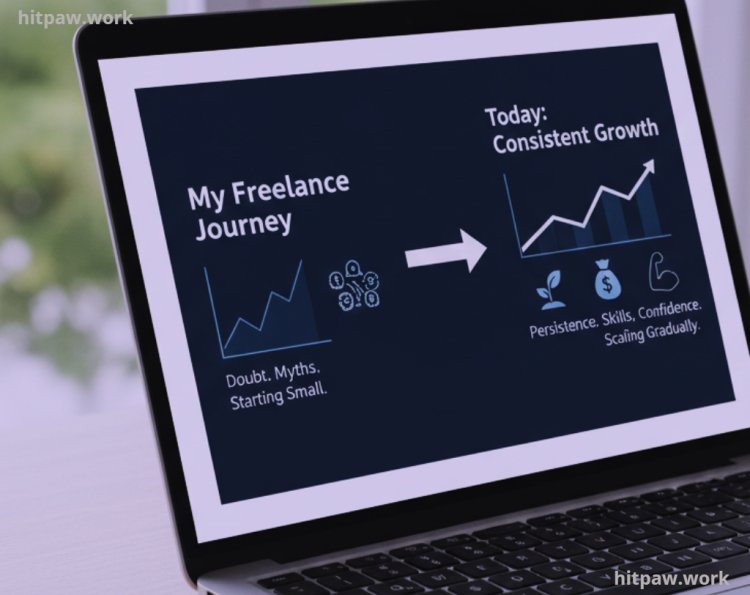
Freelancing isn’t magic, but it is achievable with persistence and the right approach. My first month was chaotic; I doubted myself often. Today, I know: start small, ignore myths, stay consistent, and gradually scale. Income grows, skills improve, and confidence builds over time.
Freelancing is a marathon, not a sprint. Flexibility, learning, and client trust are far more valuable than any “overnight success” stories you hear.
Frequently Asked Questions
1. Can I start freelancing with no experience?
Yes! Many beginners start with small tasks using skills they already have. I started doing simple administrative work and gradually built a portfolio. Experience grows with projects, not before them.
2. Do I need a degree or special certification?
No. Freelancing is skill based. Clients care more about the quality of your work, reliability, and professionalism than formal education.
3. How can I find my first clients?
Start on freelancing platforms like Upwork, Fiverr, or Freelancer. Personalize proposals, show sample work, and focus on small projects to get initial reviews. Networking on LinkedIn or social media also helps.
4. Is freelancing unstable income?
Income may fluctuate initially, but with multiple clients and consistent work, it can become steady. I started with small gigs while keeping part time work until I had recurring clients.
5. Do I need advanced skills to succeed?
Not necessarily. Beginners can start with basic skills like writing, data entry, virtual assistance, or social media posting. More advanced skills can be learned over time.
6. How do I avoid scams and unreliable clients?
Use platform protections, get written agreements, and never accept full payment upfront for off platform work. Trust your instincts and start small with new clients.
7. Can freelancing become a full time career?
Absolutely. With persistence, a good reputation, and diversified clients, freelancing can replace a 9 to 5 job. Consistency, communication, and skill improvement are key.
8. How do I manage time and deadlines as a beginner?
Tools like Trello, Google Calendar, or Notion help track tasks and deadlines. I learned early to schedule projects realistically and avoid overcommitting.
9. Should I join multiple platforms at once?
Not at first. Focus on one or two platforms to build your profile, collect reviews, and learn the process. Expanding later makes it easier to manage multiple clients.
10. How do I price my work as a beginner?
Start with affordable rates for small projects, then gradually increase as you build experience and positive reviews. Undervaluing work can slow growth, so raise rates strategically.
What's Your Reaction?