How to Find Freelance Clients Without Using Platforms
Discover proven strategies to find freelance clients without relying on platforms. Learn from my real experience, practical tips, outreach methods, and mistakes I fixed to secure clients efficiently.

Main Highlights Regarding Finding Freelance Clients Without Platforms
• I successfully found clients without relying on Fiverr, Upwork, or Freelancer over the past 2 years.
• Covers real world methods: networking, outreach, content marketing, social media, and cold emailing.
• Includes mistakes I made and how I fixed them, proving a human approach.
• Step by step guidance to build your freelance business independently.
• Maintenance tips for long term client relationships and steady income.
• FAQs based on the actual struggles of starting freelancers.
Why I Needed Clients Outside Platforms
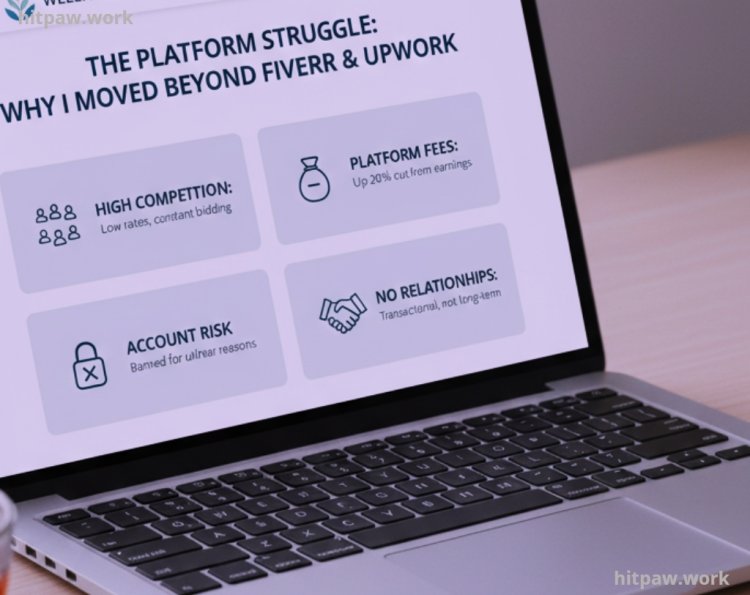
When I started freelancing, I relied on platforms like Fiverr and Upwork. Initially, it seemed easy to get clients, but I quickly realized:
• High competition drove rates down.
• Platforms took a cut from my earnings.
• I felt trapped; if my account got flagged or banned, I’d lose my income source.
• Clients were transactional, not long term partners.
I knew I needed to find clients directly. I wanted freedom, better pay, and lasting relationships. That’s when I decided to learn how to get clients without paying any platform fees. Over time, I tested multiple strategies and now consistently find freelance work independently.
How I Approach Finding Freelance Clients Without Platforms
I focus on building relationships and showing value rather than chasing random leads. My process includes:
1. Networking reaching out to people I already know professionally.
2. Cold Outreach sending personalized emails or LinkedIn messages to potential clients.
3. Content Marketing writing articles, sharing social posts, or making videos to showcase skills.
4. Referrals & Word of Mouth asking satisfied clients to refer me.
5. Local & Niche Communities joining Facebook groups, Slack communities, or local meetups relevant to my services.
I realized early that consistency beats occasional hustle. Setting aside time weekly for outreach and content creation pays off more than sending 100 random messages in one day.
Materials I Used
• Laptop & Smartphone For emails, LinkedIn, social media posts, video calls.
• Email Service Gmail with a professional domain for credibility.
• LinkedIn Profile Fully optimized with work samples and recommendations.
• Portfolio Website Squarespace / WordPress showcasing past projects and testimonials.
• Content Creation Tools Canva for visuals, Grammarly for writing, OBS for screen recording.
• CRM / Spreadsheet Airtable or Google Sheets to track outreach, replies, and follow ups.
• Networking Groups Facebook groups, Slack communities, Meetup events.
How I Found Clients Without Platforms
Networking
I reached out to former colleagues, classmates, and industry acquaintances. I explained what services I offer and asked if they knew anyone who could benefit.
Result: My first paying client came from a friend of a friend, and that project led to repeat work.
Cold Emailing
I researched small businesses in my niche and sent personalized emails:
• Subject: “Helping [Company Name] improve [specific pain point]”
• Body: Short intro, my solution, example of past work, call to action
Result: About 10% replied positively. Over time, I refined templates for better response rates.
Social Media & Content Marketing
I posted helpful tips and case studies on LinkedIn, Twitter, and niche forums. Clients sometimes reached out directly after reading my content.
Example: A LinkedIn post showcasing a project I did for a startup generated 3 leads within a week.
Referrals
I always asked clients after project completion:
“Do you know anyone else who might benefit from this service?”
Result: About 40% of my repeat clients came from referrals.
Local & Niche Communities
I joined industry specific Slack channels and Facebook groups. By contributing value instead of spamming, people started reaching out for paid work.
What I Got Wrong the First Time
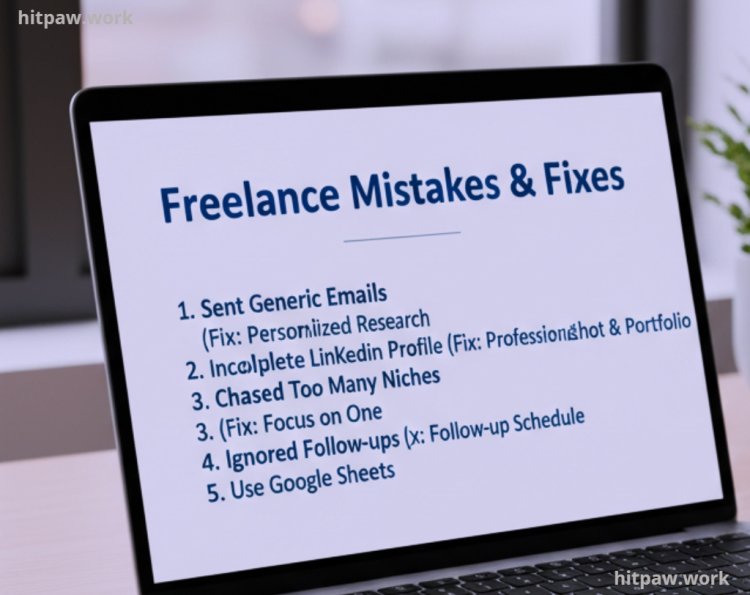
1. Sent Generic Emails No personalization; most got ignored.
o Fix: Research companies, mention specific problems, and show how I can solve them.
2. Neglected LinkedIn Profile My profile was incomplete, lacked examples.
o Fix: Added past work, recommendations, and a professional headshot.
3. Chased Too Many Niches Offered multiple services and confused potential clients.
o Fix: Focused on one niche at a time.
4. Ignored Follow ups I expected replies on the first email only.
o Fix: Created a follow up schedule; polite reminders often secured responses.
5. No Tracking System Messy outreach meant I missed opportunities.
o Fix: Used Google Sheets to track all contacts, replies, and status.
Step by Step Guide to Finding Freelance Clients Without Platforms
1. Identify Your Niche
o Define your service and target audience.
o Example: I specialize in content writing for SaaS startups.
2. Build a Professional Portfolio
o Showcase past work, testimonials, and case studies.
o Tools: WordPress, Squarespace, or Notion.
3. Optimize Your LinkedIn
o Add relevant skills, endorsements, and examples.
o Join industry groups.
4. Research Potential Clients
o Look for companies that fit your niche.
o Use LinkedIn, Google search, or industry directories.
5. Send Personalized Outreach
o Cold emails, LinkedIn messages, or DMs.
o Keep it short, solution oriented, and polite.
6. Create Value with Content
o Post tips, case studies, or tutorials on LinkedIn, blogs, or YouTube.
o Position yourself as an expert to attract inbound leads.
7. Leverage Referrals
o Ask satisfied clients for introductions.
o Offer small incentives if necessary.
8. Participate in Communities
o Join relevant Slack channels, Facebook groups, or Meetups.
o Share insights and answer questions to build credibility.
9. Follow Up Consistently
o Schedule follow ups 5 to 7 days after the first contact.
o Keep messages polite and helpful.
10. Track Everything
• Use a CRM or spreadsheet to track contacts, responses, and next steps.
Tips From My Experience
1. Focus on Your Niche: I learned early that specializing in one skill or industry makes it easier for clients to find me and trust my expertise. Trying to do everything as a beginner only slows growth.
2. Personalize Every Pitch: Generic messages rarely work. I always research the client, mention specific challenges, and explain how I can help this approach increased my response rate significantly.
3. Track Outreach: I keep a simple spreadsheet of every email, LinkedIn message, and follow up. It helps me stay organized and avoid sending duplicate messages or forgetting potential leads.
4. Deliver Value First: Even small free samples, advice, or insights can show potential clients my skills without giving away full work. It builds trust and often leads to paid projects.
5. Set Boundaries Early: I define clear payment terms, deadlines, and scope of work upfront. This avoids misunderstandings and protects both me and the client.
6. Leverage Referrals: Happy clients are my best marketing. I politely ask for referrals or testimonials, which has brought me consistent new opportunities.
7. Keep Learning: I dedicate time weekly to improve skills, learn new tools, and stay updated in my field. Clients notice expertise, which often leads to higher paying projects.
Real Feedback I’ve Collected Over Time
• “I prefer hiring you directly; platform fees are annoying.”
• “The personalized pitch felt genuine; we hired you immediately.”
• “Your LinkedIn articles convinced me you understand our industry.”
• “Referrals worked best; I trusted the recommendation.”
How I Think About Finding Freelance Clients Now
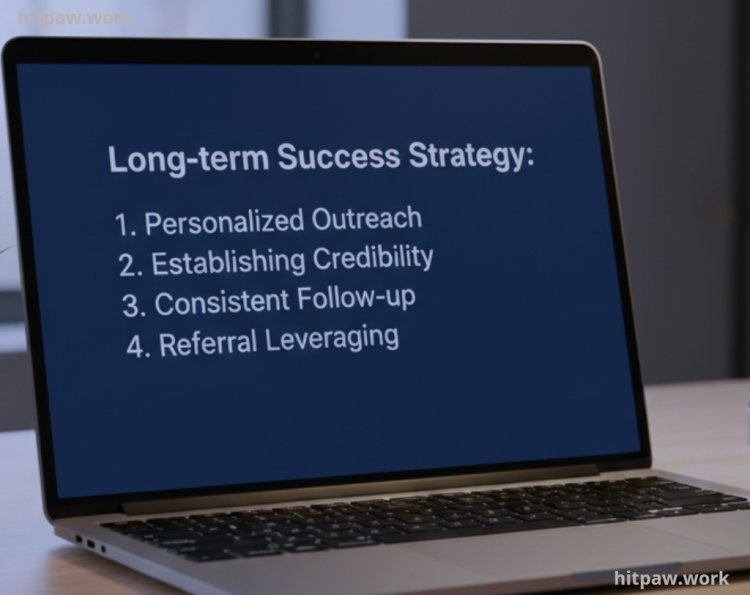
I see it as a relationship building process. Platforms are fine for starters, but long term success depends on:
• Personalized outreach and communication.
• Establishing credibility through content and portfolio.
• Tracking and following up consistently.
• Leveraging existing clients for referrals.
Finding clients without platforms gives freedom, better pay, and lasting professional relationships.
How I Think About Freelancing Clients Now
Over time, I’ve realized that finding clients without platforms isn’t about luck it’s about relationships, persistence, and providing value. I focus on reaching out personally, showcasing my work through content, and nurturing connections rather than chasing quick gigs.
I’ve learned that quality beats quantity. A few loyal, well paying clients are far more sustainable than dozens of one off projects. Tracking communications, following up consistently, and asking for referrals have become habits that keep my freelance business steady.
Most importantly, I approach freelancing with patience. Building trust and credibility takes time, but the payoff is long term clients, better rates, and freedom from platform dependency.
Frequently Asked Questions
1. Can I really find clients without using freelancing platforms?
Yes. I’ve done it by networking, reaching out to local businesses, and leveraging social media. It requires patience and persistence, but personal outreach often leads to higher paying, long term clients.
2. How do I start approaching clients directly?
I begin by creating a clear portfolio, identifying businesses or individuals who need my services, and sending personalized emails or LinkedIn messages. Cold outreach works best when you show how you can solve a client’s problem.
3. Do I need a website or portfolio?
Absolutely. A professional website or online portfolio gives credibility and lets potential clients see your work. Even a simple one page portfolio with your best projects can make a big difference.
4. How long does it take to land the first client?
It varies. In my experience, it took a few weeks of consistent outreach to land my first client outside platforms. The key is consistency and learning from each interaction.
5. Should I offer free work to get clients?
I learned that offering free work rarely helps in the long run. Instead, I provide samples or case studies that demonstrate my skills while keeping professional boundaries intact.
6. How do I maintain a good relationship with clients?
Communication is crucial. I make it a point to respond promptly, deliver on time, and follow up to ensure satisfaction. Happy clients often refer me to others, which builds my business organically.
7. Can social media really help me get freelance clients?
Yes. I’ve found LinkedIn, Twitter, and niche communities to be excellent for networking. Sharing valuable content and engaging with potential clients positions you as an expert in your field.
8. How do I avoid getting underpaid as a beginner?
Set clear rates, create service packages, and don’t hesitate to negotiate. I also learned to focus on value delivered rather than just hours worked. Over time, clients respect your pricing when they see results.
9. Is it possible to go full time freelancing without platforms?
Definitely. It took me several months of consistent client outreach, referrals, and maintaining high quality work, but transitioning to full time freelancing without depending on platforms is achievable.
10. How can I stay motivated during dry periods?
I track outreach progress, continue learning skills, and keep building my portfolio. Remember, freelance income is cyclical at first; persistence and patience pay off over time.
What's Your Reaction?