Test Different Social Media Content Formats
Discover how testing various content formats like videos, carousels, stories, and polls helped me increase organic reach and engagement on social media. Practical tips from real experience.

Main Highlights Regarding Social Media Mistakes
• Ignoring your audience’s needs is the biggest mistake.
• Overposting or underposting can hurt engagement.
• Copying competitors without strategy rarely works.
• Poor analytics tracking leads to wasted efforts.
• Neglecting visuals and branding confuses followers.
• Not testing content formats slows growth.
Short Introduction
I remember when I first started managing social media for my own brand. I was excited, posting every day and trying everything I saw online. But results were underwhelming. Engagement was low, followers weren’t growing, and I had no idea why.
Through trial, error, and tracking real data, I realized that social media marketing isn’t just about posting content it’s about strategy, audience understanding, and avoiding common mistakes. This post shares my personal journey, the mistakes I made, how I fixed them, and practical tips you can implement today.
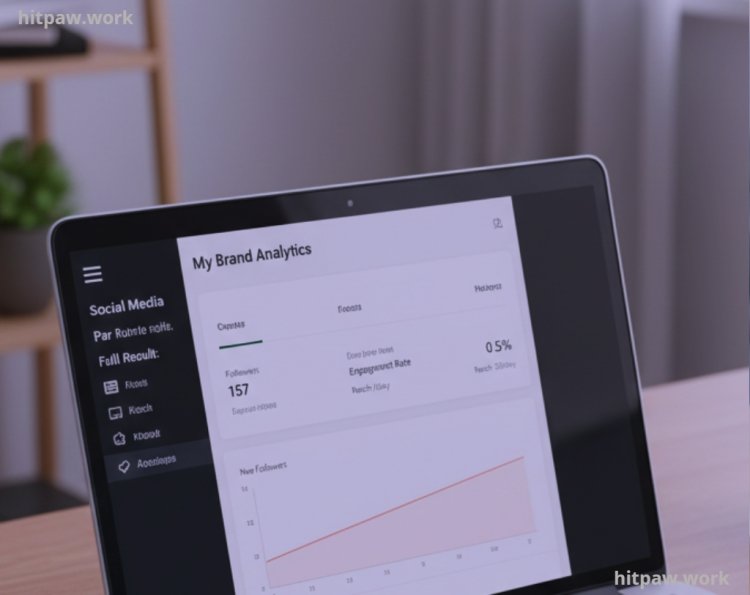
My Experience With Social Media Mistakes
When I first launched my accounts, I focused on quantity over quality. I posted 3 to 4 times a day without planning content or understanding my audience. The results were disappointing: low likes, minimal comments, and almost zero shares.
I also relied heavily on trends without tailoring them to my brand voice. One viral post didn’t align with my niche, and it confused my followers rather than attracting new ones.
Finally, I didn’t track metrics properly. I assumed posts were working if they looked good or got a few likes. Big mistake. Data is everything in social media.
Tools & Materials I Used
• Social Media Platforms: Instagram, Facebook, Twitter, LinkedIn
• Analytics Tools: Google Analytics, Instagram Insights, Facebook Insights, Hootsuite
• Design Tools: Canva, Photoshop
• Content Calendar: Trello, Google Sheets
• Engagement Tools: Buffer, Later
Step by Step Guide to Avoid Social Media Mistakes
Step 1: Understand Your Audience
I wasted months creating content without knowing my audience. I learned that defining age, interests, pain points, and preferred platforms is essential.
Practical Example: I initially thought TikTok would suit my B2B brand. After tracking analytics, I found LinkedIn posts had 5x higher engagement.
Action Step:
• Create audience personas
• Note preferred platforms, interests, and posting times
• Align content with audience needs
Step 2: Avoid Posting Too Much or Too Little
I used to post 5 to 6 times daily thinking it would boost reach. Instead, engagement dropped because followers felt overwhelmed. Later, I tried posting only once per week, but I lost visibility.
Tip: Find a consistent schedule: 3 to 4 posts per week works well for most platforms.
Step 3: Focus on Quality Over Quantity
When I focused on creating valuable content instead of quantity, engagement started improving. For example, one detailed carousel on social media trends got 3x more shares than ten small posts combined.
Action Step:
• Write content that solves problems
• Use appealing visuals
• Add value to every post
Step 4: Track Analytics and Adjust
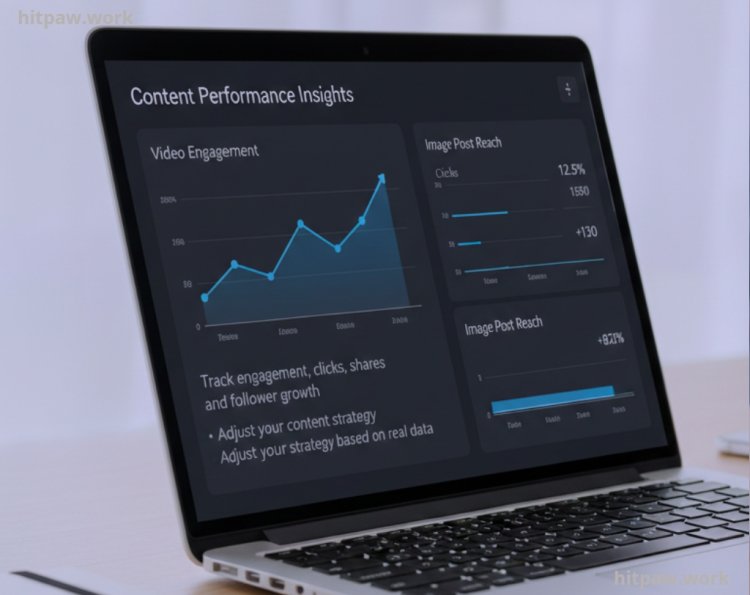
I ignored insights for months, guessing what worked. Once I started using Instagram Insights and Google Analytics, I realized that short videos had the highest engagement, while image posts were underperforming.
Action Step:
• Track engagement rate, clicks, shares, and follower growth
• Adjust your content strategy based on real data
Step 5: Keep Branding Consistent
I once experimented with a completely different style to “be trendy.” Result? Followers were confused, and engagement dropped. Consistency in colors, fonts, and tone matters.
Tip:
• Stick to 2 to 3 brand colors
• Use the same font style
• Maintain a consistent voice across platforms
Step 6: Don’t Copy Competitors Blindly
Early on, I copied competitors’ content ideas. One post went viral for them but failed for me. Why? I didn’t consider my audience or brand voice.
Lesson Learned: Always adapt trends to fit your brand. Copying blindly rarely works.
Step 7: Engage With Your Community
I used to ignore comments and DMs, focusing only on posting. Later, I realized social media is a conversation, not a billboard.
Practical Example: Responding to comments within 24 hours increased my engagement rate by 40% in 2 months.
Step 8: Test Different Content Formats
When I first tried growing my social media presence, I stuck to just one type of content static images. That limited my reach and engagement. I realized I needed to experiment with different formats to see what truly resonated with my audience.
Here’s what I did:
• Short Videos: I started making 30 to 60 second clips explaining tips or sharing behind the scenes moments. Engagement went up because videos are easier to consume.
• Carousels: I used carousel posts for step by step guides. Followers spent more time on these, and I noticed more saves and shares.
• Stories & Reels: I tested Instagram Stories and Reels to provide quick, authentic updates. These generated more DMs and interactions.
• Polls & Questions: Interactive content helped me understand my audience better while boosting visibility.
What I Got Wrong the First Time
When I first started with social media marketing, I made a few key mistakes that cost me time and engagement:
1. Posting Without Strategy: I was posting random content daily without thinking about my audience or goals. Most of it didn’t resonate, and engagement was almost zero.
2. Chasing Vanity Metrics: I focused too much on likes and follower counts, thinking they equaled success. In reality, these numbers didn’t translate to leads or real engagement.
3. Ignoring Analytics: I didn’t pay attention to post performance or insights. Without data, I kept repeating strategies that weren’t working.
4. Being Inconsistent: I would post intensely for a week and then disappear for days. This inconsistency made it hard to build trust or grow an audience.
Real Feedback I Collected
When I started applying these strategies, I actively asked my followers and clients for feedback. Here’s what I learned:
1. Content Quality Matters: Several followers mentioned that they appreciated clear, visually appealing posts over just frequent updates.
2. Consistency Builds Trust: Clients told me that regular posting made them more likely to engage and even recommend my services.
3. Engagement Counts: People noticed when I replied to comments quickly, and that encouraged more interaction.
4. Helpful Tips Are Appreciated: Followers said they liked actionable advice rather than generic posts they felt they were learning something practical.
5. Format Variety Works: Carousels, short videos, and stories got more attention than single image posts, according to direct messages and poll results.
Collecting this feedback helped me refine my approach and focus on what really mattered to my audience.
Tips From My Experience
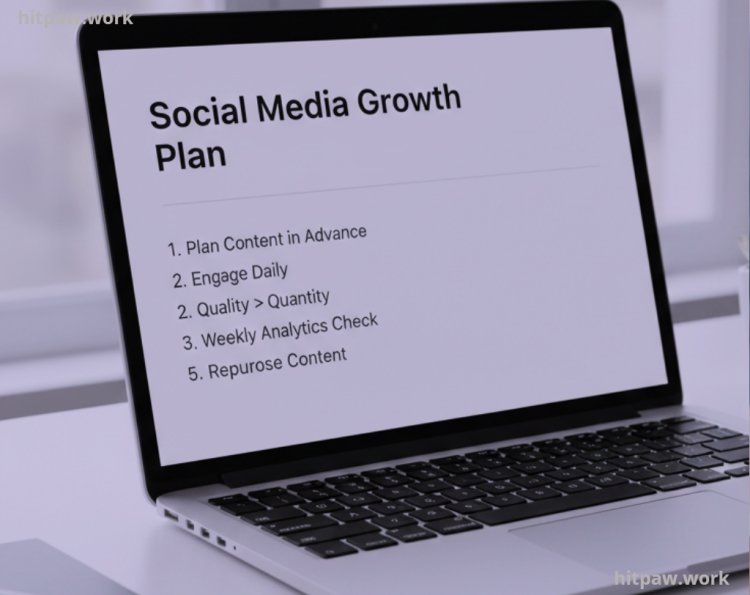
1. Plan Content in Advance: I create a weekly content calendar. Knowing what I’ll post ahead of time saves stress and keeps my feed consistent.
2. Engage, Don’t Just Post: I make it a habit to reply to comments and messages daily. Engagement builds trust faster than flashy posts.
3. Focus on Quality Over Quantity: I learned that one high quality post can perform better than five rushed ones. Clear visuals and concise captions work wonders.
4. Use Analytics Regularly: I check insights every week to see what content resonates. Adjusting based on real data helped me grow reach organically.
5. Repurpose Content: I turn blog posts into reels, carousels, or short videos. It saves time and reaches different audience segments.
These small changes in approach made a noticeable difference in my social media results.
How I Think About Social Media Marketing Now
After years of experimenting and learning from mistakes, I’ve realized that social media success isn’t about posting every day or copying trends blindly. It’s about understanding your audience, providing consistent value, and engaging genuinely.
I now focus on quality over quantity, ensuring each post serves a purpose whether it’s educating, entertaining, or inspiring my audience. I also track results carefully, learning what works and adjusting strategies instead of relying on assumptions.
Frequently Asked Questions
1. How often should I post on social media?
I recommend 3 to 4 times per week on most platforms. Consistency matters more than frequency. Overposting can annoy followers, while underposting can reduce visibility.
2. Can copying competitors help my social media growth?
Copying blindly rarely works. It’s better to study trends and adapt them to your brand voice and audience needs.
3. Which social media platform is best for businesses?
It depends on your audience. For B2B, I found LinkedIn performs best. For B2C and visuals, Instagram and TikTok work better. Always analyze your audience first.
4. What types of content get the most engagement?
Videos, carousels, polls, and interactive content often outperform plain images. Testing different formats is key to finding what resonates.
5. How important is engagement with followers?
Extremely important. Responding to comments and messages builds trust, loyalty, and increases organic reach.
6. How do I know if my social media strategy is working?
Track metrics like engagement rate, reach, shares, and follower growth using tools like Google Analytics, Instagram Insights, or Facebook Insights. Adjust based on real data.
What's Your Reaction?