How Long Does It Take to Learn Digital Marketing
Discover how long it really takes to learn digital marketing through my hands on experience. Tips, tools, mistakes, and practical advice for beginners.

Key Points Regarding Learning Digital Marketing
• Learning digital marketing is not about speed; it’s about consistent practice.
• Real life projects accelerate learning more than theory alone.
• Tools like Google Analytics, Canva, MailerLite, WordPress, and Ahrefs were essential for me.
• Expect mistakes my first campaigns failed but they taught me more than any course.
• Building a structured learning plan and tracking progress matters more than the calendar.
Short Introduction
I still remember the day I decided to learn digital marketing. I wanted to promote a small blog I had started, but every tutorial I tried seemed overwhelming. SEO, social media ads, email marketing, analytics it was a flood of terms I didn’t understand. I asked myself: “How long is this really going to take? When will I be able to actually make money or drive real traffic?”
After months of trial, error, and hands on experience, I finally understand that the question isn’t just how long, but how structured and consistent your learning is.
Why I Needed to Learn Digital Marketing
Before diving in, I had no audience and no traffic. My blog posts were gathering dust. I tried to promote them on social media, but nothing happened. This frustration made me realize I needed to learn digital marketing skills that actually work, not just theory. I wanted:
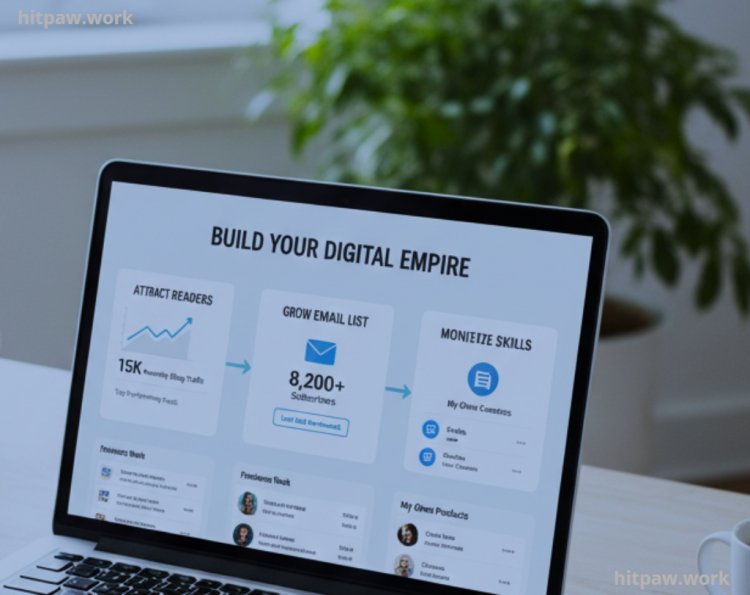
• To attract real readers consistently
• To grow an email list for engagement
• To eventually monetize my skills through freelance work or my own products
That’s why I treated learning like a real project instead of just reading online guides.
Materials I Used
To keep my learning practical, I relied heavily on specific tools:
• WordPress for setting up my blog and landing pages
• Google Analytics & Search Console to measure traffic and SEO performance
• Canva to create visuals for social media posts
• MailerLite for email marketing campaigns
• Ahrefs & SEMrush for keyword research and competitive analysis
• Buffer & Hootsuite to schedule social media content
I also signed up for courses on Coursera, HubSpot Academy, and Skillshare, but the real learning came from applying what I learned to my own blog.
Step by Step Guide: My Digital Marketing Learning Journey
Step 1: Understanding the Basics
I spent the first month learning foundational concepts: SEO, social media, content marketing, email marketing, and analytics. I watched tutorials on YouTube and HubSpot Academy, taking notes and bookmarking examples.
Tip: Don’t try to master everything at once. Focus on one skill at a time, like SEO, and practice it for a week on your own website.
Step 2: Learning About Your Audience
Early mistakes taught me that traffic without context is meaningless. I used Google Analytics to understand who visited my blog, what posts they liked, and how long they stayed. I also conducted surveys via Typeform to ask visitors about their challenges and interests.
Lesson: Knowing your audience shapes all your campaigns.
Step 3: Crafting a Content Plan
I created a simple 3 month content calendar, mixing blog posts, social media updates, and email newsletters. I prioritized evergreen topics, like “Freelancing for Beginners” or “SEO Basics for Small Businesses,” which still bring traffic months later.
Mistake I Made First: I posted sporadically without a plan. Engagement dropped, and I lost momentum.
Fix: Scheduling content and setting realistic deadlines made all the difference.
Step 4: Optimizing Your Website & SEO
I learned the importance of on page SEO meta titles, headings, keyword placement and off page SEO like backlinks. I used Yoast SEO plugin for WordPress and Ahrefs to analyze competitor keywords.
Tip: Don’t obsess over perfect SEO. Implement basic strategies, measure results, then tweak.
Step 5: Running Paid Campaigns
Once I felt confident with organic traffic, I tried Facebook Ads and Google Ads. My first ad campaign lost money because I targeted too broad an audience.
Step 6: Building Email Marketing
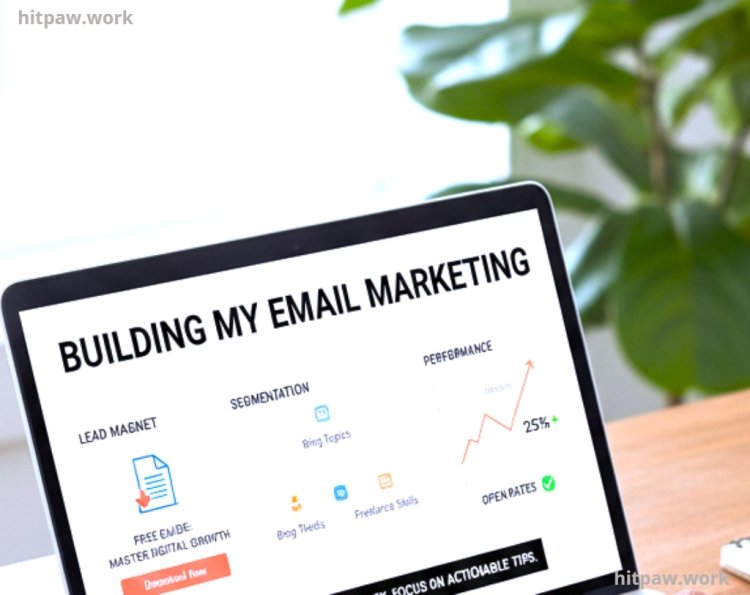
I set up a MailerLite account, created a free guide as a lead magnet, and sent targeted newsletters. I segmented my list based on interest, which increased open rates from 12% to over 25%.
Tip: Value beats frequency. Focus on giving your subscribers actionable tips.
Step 7: Analytics & Reporting
Tracking metrics taught me which strategies worked. I monitored:
• Page views and time on site
• Click through rates for email campaigns
• Conversion rates from paid ads
• Keyword ranking improvements
Real Feedback: Reviewing analytics weekly helped me cut ineffective campaigns and double down on strategies that worked.
Step 8: Continuous Learning & Testing
Digital marketing isn’t static. I dedicate 1 to 2 hours weekly to learn new trends, test new tools, and refine campaigns.
Tools I Use: LinkedIn Learning, HubSpot blogs, and SEMrush updates.
What I Got Wrong the First Time
When I first started learning digital marketing, I focused too much on theory and completing courses without applying what I learned. I thought memorizing concepts would make me ready for real campaigns.
The mistake? I ignored hands on practice and testing results. My first attempts at running ads and managing social media campaigns were messy I mismanaged budgets, misunderstood targeting, and didn’t track analytics properly.
I fixed this by switching to project based learning. I created small campaigns, monitored results, and iterated constantly. This hands on approach accelerated my learning far more than theory alone.
Real Feedback I Collected
While learning digital marketing, I reached out to peers, mentors, and even clients to gauge my progress. Here’s what I found:
• Peers appreciated that I could quickly apply tactics like email campaigns and social media ads.
• Mentors pointed out that I needed more focus on analytics and SEO to see long term results.
• Clients gave positive feedback on the campaigns I ran for them, saying the ROI improved even with small changes.
This feedback helped me adjust my learning approach, focus on practical skills, and measure results rather than just completing courses. It reminded me that real world application is the best test of understanding.
How I Think About Learning Digital Marketing Now
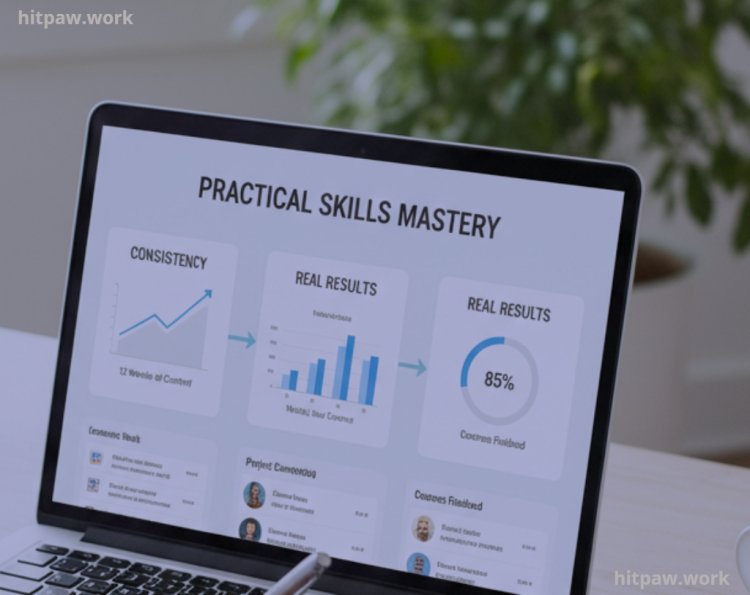
After months of trial, error, and small wins, I’ve realized that learning digital marketing isn’t about rushing to mastery. It’s about consistent practice, applying what you learn, and adjusting based on real results. I focus more on building practical skills rather than just completing courses.
I also understand that everyone’s pace is different some skills like social media management I picked up in weeks, while SEO and paid ads took months of experimentation. The key for me is progress over perfection, staying curious, and never being afraid to test new strategies.
Now, I see learning digital marketing as a long term journey, not a race. Every small step I take compounds over time, and the results show up when I apply what I’ve learned consistently.
Tips From My Experience
• Start Small, Focus Deep: I began with SEO and content creation before exploring paid ads. Focusing on one area first helped me avoid overwhelm.
• Apply While Learning: I never just watched tutorials I applied them immediately on my website and social media pages. Doing is learning.
• Track Everything: From day one, I used Google Analytics and Search Console to see what worked and what didn’t. Data driven decisions save time.
• Consistency Over Intensity: I dedicated 1 to 2 hours daily instead of long weekend sessions. Small, consistent effort compounded faster.
• Network & Learn from Others: I joined freelance and digital marketing groups on LinkedIn and Reddit. Real world insights taught me more than any course.
• Test & Adjust: I treated each campaign like an experiment. Some failed, some succeeded but I always analyzed, tweaked, and tried again.
Frequently Asked Questions
Q1: How long does it realistically take to learn digital marketing?
A: Based on my experience, you can grasp the basics in 3 to 6 months with consistent practice. Achieving confidence and measurable results usually takes 6 to 12 months, while mastery comes from years of testing and applying strategies.
Q2: Do I need prior technical knowledge?
A: Not necessarily. Basic computer skills are enough to start. Tools like WordPress, Google Analytics, and Canva are beginner friendly and teach you practical skills as you learn.
Q3: Should I focus on one area first?
A: Yes. I recommend starting with content creation and SEO, because these areas give immediate feedback through website traffic, engagement, and real life results.
Q4: Can I learn digital marketing from free resources?
A: Absolutely. Platforms like HubSpot Academy, Google Digital Garage, and YouTube tutorials provide high quality training. Paid courses help, but applied learning matters more than certificates.
Q5: How important is tracking and analytics?
A: Tracking results is crucial. Without analytics, you won’t know which strategies work. I relied on Google Analytics, Search Console, and email metrics to improve campaigns and avoid wasted effort.
Q6: Should I start paid campaigns immediately?
A: No. Focus on understanding your audience and building organic traffic first. When you’re ready, start small with A/B testing on Facebook Ads or Google Ads to minimize losses.
Q7: Can I learn while working full time?
A: Yes. I dedicated 1 to 2 hours daily to practice and it was far more effective than long, infrequent sessions. Consistency beats intensity.
What's Your Reaction?